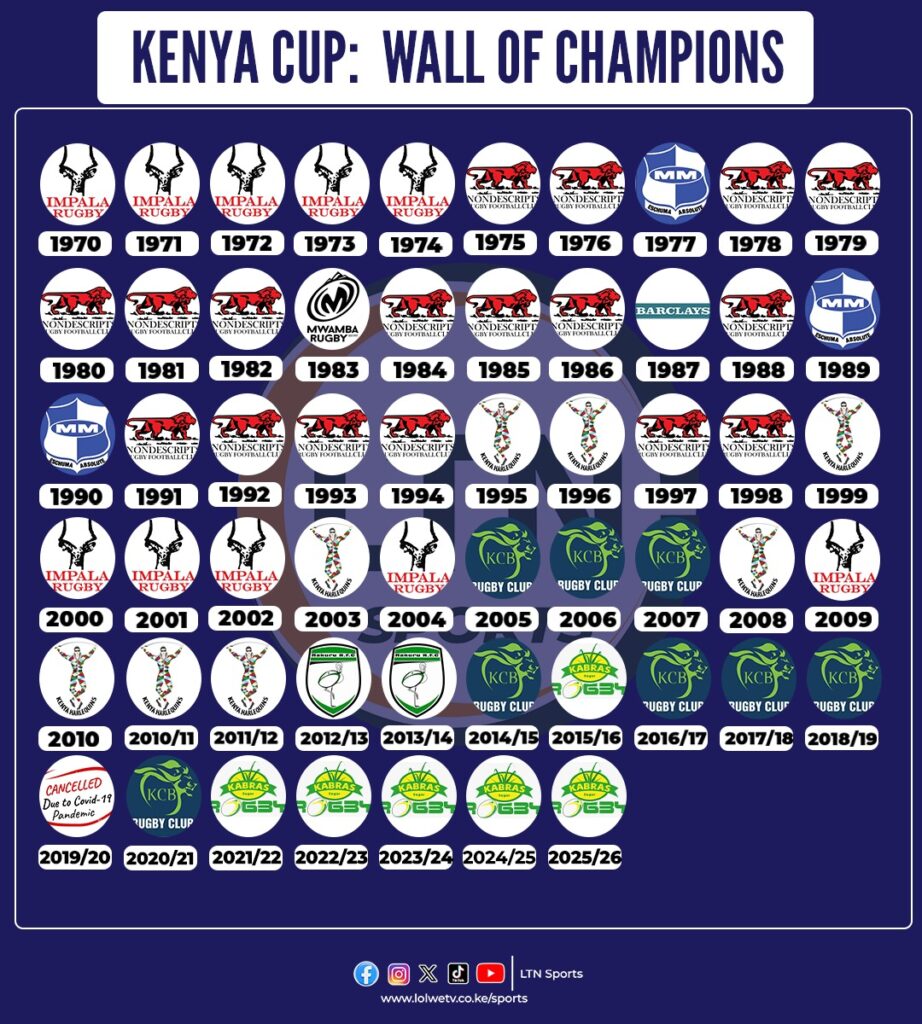
A decade ago, Kabras Sugar RFC announced their arrival among Kenya’s rugby elite by dethroning KCB Rugby 15 to win their maiden Kenya Cup title in the 2015/16 season. The triumph signaled the rise of a serious force from western Kenya, but KCB responded emphatically, reclaiming the crown and embarking on a run of four consecutive league titles to reassert their authority in Kenyan rugby.
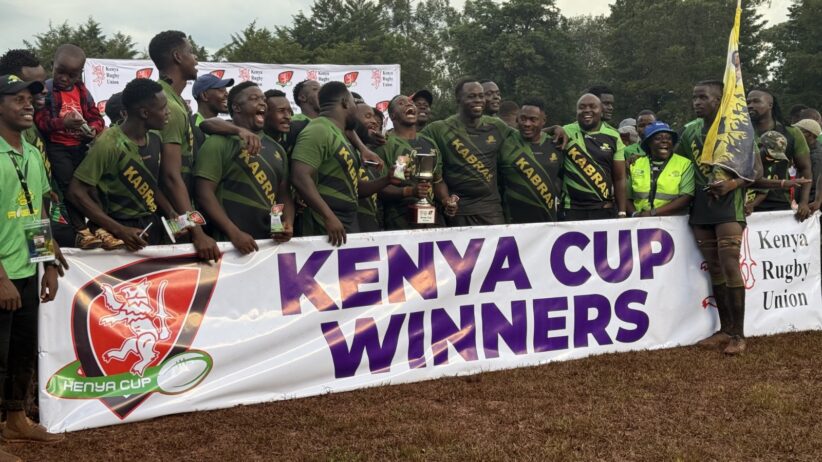
Today, the balance of power has shifted completely. Saturday’s hard-fought 14-8 victory over KCB at the ASK Showground in Kakamega secured Kabras a historic fifth consecutive Kenya Cup title, allowing the Sugar millers to equal one of the greatest title-defense streaks in Kenyan rugby while cementing their place among the competition’s all-time great sides.
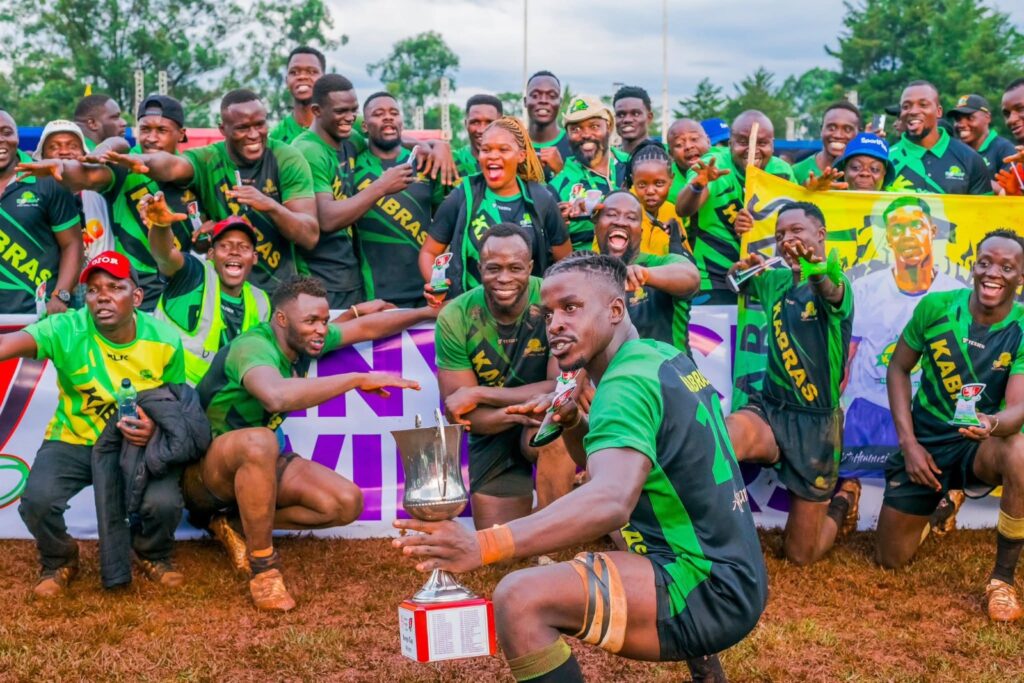
The latest triumph represented far more than another trophy added to the cabinet. It was the continuation of a remarkable journey that has transformed Kabras from ambitious challengers into the standard bearers of Kenyan club rugby. Since reclaiming the title in the 2021/22 season, Kabras have tightened their grip on the competition with relentless consistency, stretching their unbeaten Kenya Cup run to 54 matches. In a league where pressure grows heavier with every successful campaign, they have continued to find ways to win, whether through expansive rugby, tactical discipline or sheer resilience in difficult moments.
The final against KCB captured nearly every quality that has defined this dominant era. Heavy rainfall before kickoff left the Kakamega surface muddy and slippery, forcing both sides into a tense, physical and tactical battle. The difficult conditions disrupted attacking rhythm and turned the contest into a test of territory, patience and defensive organization. KCB looked determined to end Kabras’ reign and arrived with a star-studded squad that included several national 7s players. The bankers controlled large spells of the opening half, pinned Kabras deep inside their own territory and deservedly carried a narrow 3-0 lead into the break through Brian Wahinya’s penalty.
At that stage, KCB appeared capable of silencing the home crowd and finally reclaiming the title they last won in 2021. But if the last five years have proven anything, it is that Kabras rarely panic under pressure. The hosts endured several setbacks throughout the match, including injuries that forced tactical reshuffles and disciplinary issues that left them temporarily reduced to 13 men after Ephraim Oduor and Patrick Lumumba were both sent to the sin bin. KCB immediately capitalized on the numerical advantage, spreading the ball wide for Festus Shiasi to dive over for a crucial try that briefly swung momentum back toward the visitors.
Yet even as the pressure mounted, Kabras remained composed. The introduction of Ntabeni Dukisa proved decisive, with the fly-half delivering a calm and influential performance despite playing his first match of the season. His accuracy from the kicking tee kept the Millers within touching distance before eventually pushing them back into the lead. As the match entered its decisive stages, Kabras turned to one of their greatest strengths , forward dominance. Sustained pressure near the KCB try line culminated in a powerful rolling maul that ended with Hillary Odhiambo grounding the decisive try, sparking wild celebrations among the packed Kakamega faithful.
It was not the flashiest final Kabras have played during this era of dominance, but perhaps it best symbolised the identity they have built under coach Carlos Katywa. This is now a side capable of adapting to different situations, surviving adversity and grinding out victories even when conditions are far from ideal. Their consistency has been driven not only by experienced internationals but also by the depth within the squad.
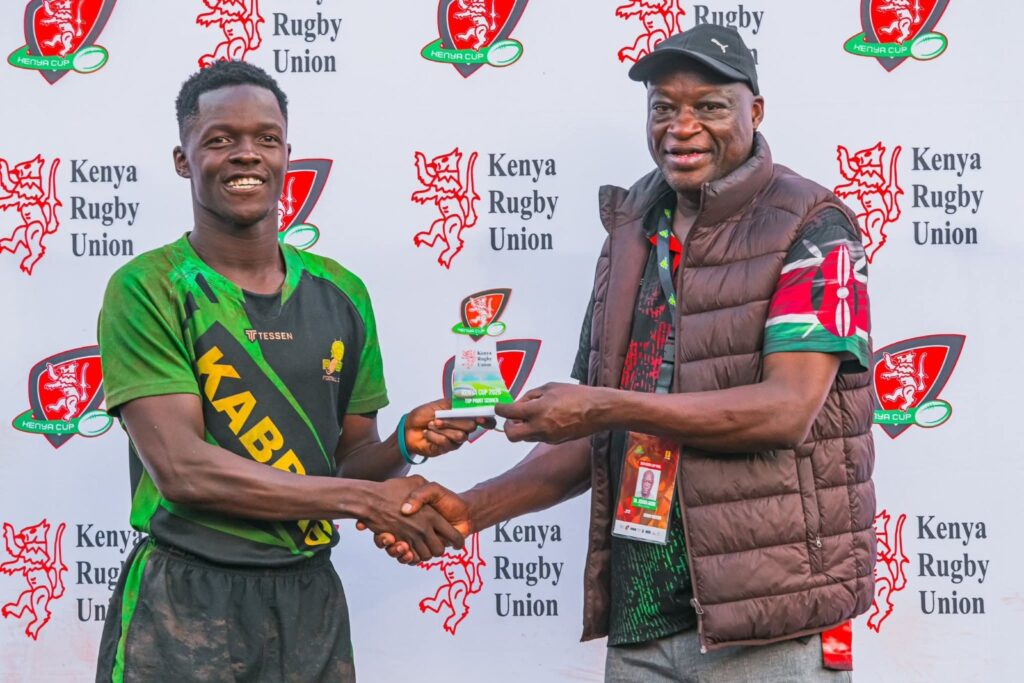
Fly-half Eric Cantona finished the season as the Kenya Cup’s top points scorer with 133 points, underlining the attacking quality that powered another title-winning campaign.
Kabras’ success has also changed the landscape of Kenyan rugby. For decades, the Kenya Cup was largely dominated by Nairobi clubs such as KCB, Impala, Nondescripts and Kenya Harlequin. Kabras disrupted that traditional order and proved that elite rugby structures and sustained excellence could flourish outside the capital. In the process, Kakamega has grown into one of the country’s major rugby centres, with passionate support and a steadily expanding pipeline of talent from western Kenya continuing to strengthen the club’s foundation.
Historically, Kabras now stand alongside the greatest dynasties Kenyan rugby has produced. Only Impala RFC and Nondescripts RFC had previously achieved five consecutive Kenya Cup titles. Impala dominated the competition from 1970 to 1974, while Nondies produced their famous streak between 1978 and 1982. More than four decades later, Kabras have now joined that exclusive club and, judging by their current momentum, they may still have room to push the boundaries even further.