

Kenya is preparing a groundbreaking Ksh.129.8 billion ($1 billion) debt-for-food security swap as part of efforts to ease its rising debt burden, according to a Treasury borrowing plan released on Tuesday. The initiative is expected to be rolled out by March 2026.
The swap is designed to mirror debt-for-nature agreements that have gained popularity globally, where countries secure lower interest rates in return for committing savings to social or environmental programmes. In Kenya’s case, the savings would be channelled towards strengthening food security.
Finance experts say the move would enable the government to restructure costly loans into cheaper financing while ensuring funds are redirected to agriculture and hunger-mitigation programmes.
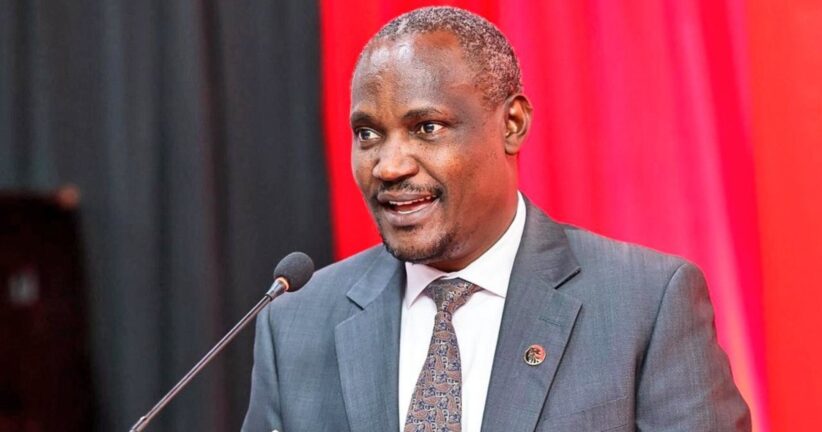
Although Treasury officials were not immediately available for comment, Finance Cabinet Secretary John Mbadi earlier this year confirmed that discussions were underway with the World Food Programme (WFP) to support the plan.
Kenya currently spends nearly a third of its revenue on interest payments, among the highest ratios worldwide. Public debt stood at 67.8% of GDP as of June 2025, highlighting the urgent need for innovative financing solutions.
Debt swaps are increasingly being adopted by developing countries. Recent examples include debt-for-nature agreements in Ecuador, Belize, and Gabon, while Ivory Coast broke new ground in December with a debt-for-education swap backed by a World Bank credit guarantee.
Beyond the debt-for-food plan, Kenya is also pursuing other financing avenues. The Treasury intends to issue $500 million in sustainability-linked bonds by March 2026, secure a $757 million World Bank loan by March 2025, and access another $457 million in June 2025. The government is further exploring securitised debt and plans to convert a $5 billion railway loan into the Chinese yuan to reduce repayment costs.
If successful, the debt-for-food initiative would make Kenya one of the first countries in the world to link sovereign debt restructuring directly to food security, a move analysts say could reshape how developing nations manage debt and social priorities.


