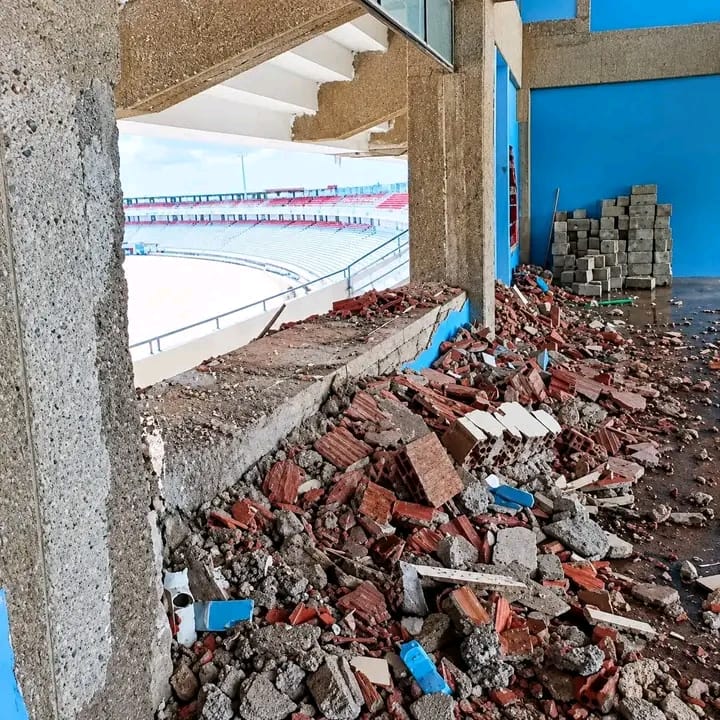
Kenya’s preparations for the 2027 Africa Cup of Nations have entered a critical phase at Moi International Sports Centre, Kasarani, where sections of the stadium’s walls are being demolished as part of works to create additional space for skyboxes ahead of the continental tournament.
The latest images from the stadium show extensive demolition work, with broken bricks, concrete debris and other construction materials scattered across an upper-level section overlooking the seating bowl. The area features exposed structural columns, blue-painted walls and open spaces facing the stands, illustrating the scale of the modifications underway.
The works bring renewed attention to the debate over the number of skyboxes required at Kasarani and the challenges Kenya faces in meeting the Confederation of African Football’s (CAF) infrastructure standards ahead of the tournament, which Kenya will co-host with Uganda and Tanzania from June 19 to July 17, 2027.
According to LOC member Lodvick Aduda, CAF initially required 61 skyboxes at the 48,000-seater Kasarani Stadium. However, the government expressed concern that meeting the requirement could involve extensive alterations to existing infrastructure, potentially interfering with ongoing renovations and putting completion deadlines at risk.
Sports Cabinet Secretary Salim Mvurya explained that the government subsequently negotiated with CAF to reduce the number of skyboxes from 61 to six, citing the enormous costs involved and the potential damage to the existing structure.
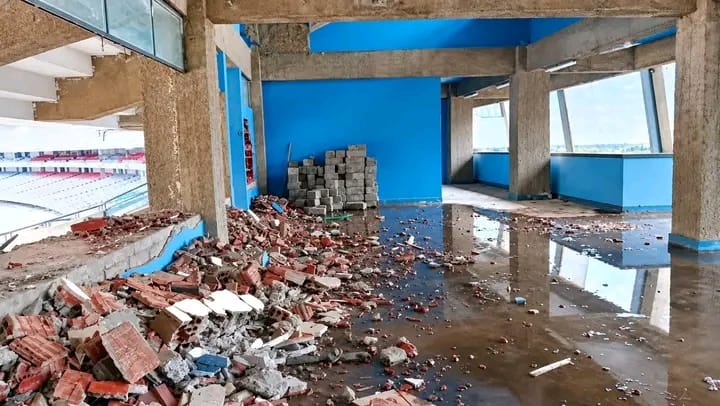
“Earlier on there were recommendations in Kasarani to do 61 skyboxes. Now, doing 61 skyboxes would have meant we demolish three quarters of the stadium. Therefore, we decided to negotiate…so, now we have agreed on six,” Mvurya revealed.
He added that skyboxes are hospitality spaces and argued that constructing 61 of them at a stadium that is approximately 40 years old would have required the demolition of a substantial portion of the facility.
“Skyboxes are spaces for hospitality so, we said that Kasarani is around 40 years old and you cannot begin to create new spaces like 61. It would have meant that we bring down a better part of the facility,” CS Mvurya.
The skyboxes were among several recommendations made by CAF inspectors during their visit to Kenya in March 2026 as the country stepped up preparations for the tournament. The subsequent agreement to reduce the number to six represents a major revision of the original requirement, intended to limit structural alterations and reduce the financial burden of the project.
The situation also highlights the challenges of upgrading an established sporting venue to meet modern tournament requirements. Major structural changes at Kasarani could affect its wider sporting functions, making the balance between hospitality facilities, spectator capacity and the stadium’s long-term use an important consideration.
Meanwhile, the new 60,000-capacity Talanta Stadium is designed to incorporate 52 skyboxes. The contrast between the two venues highlights the difference between integrating hospitality facilities into a purpose-built stadium and adapting an older facility to accommodate new requirements.
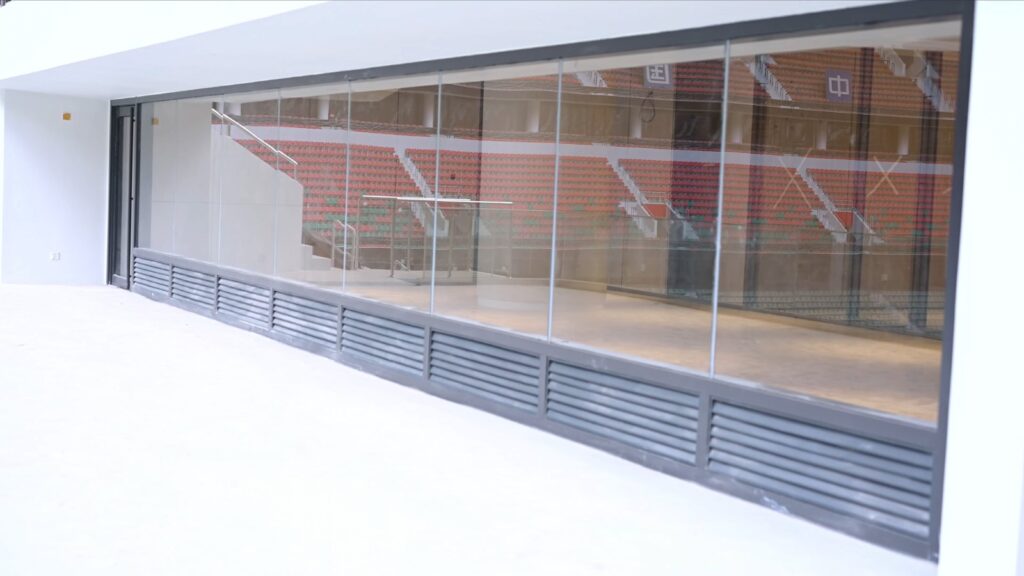
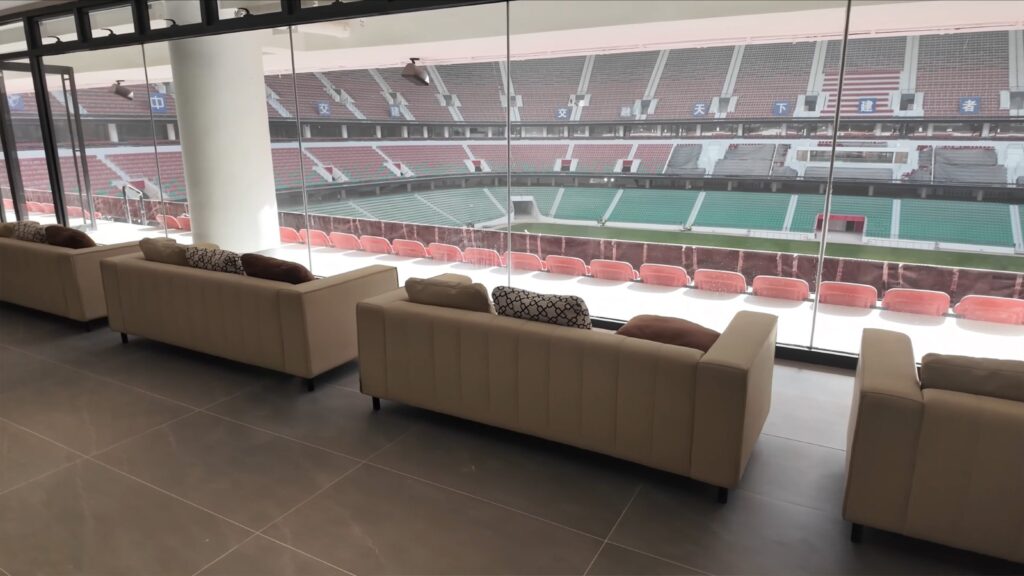
Beyond the skyboxes, Kasarani’s renovation programme includes improvements to the playing surface, spectator circulation and segregation, broadcast-compliant floodlighting rated at 3,000 lux, security systems and media facilities. The works also include relocating the Venue Operations Centre to improve stadium operations.
With AFCON 2027 approaching, the focus now shifts to completing the remaining upgrades while ensuring the stadium meets the requirements agreed upon with CAF. The latest photographs show demolition and construction activity in an upper-level section of the facility, although they do not independently establish the precise status of the six skyboxes.
For Kenya, the objective is not simply to modernise a stadium, but to deliver an AFCON-ready facility without compromising the infrastructure that has served the country’s sporting ambitions for decades. The success of the project will depend on completing the agreed improvements on time while balancing CAF’s requirements with the practical and financial realities of renovating Kasarani.