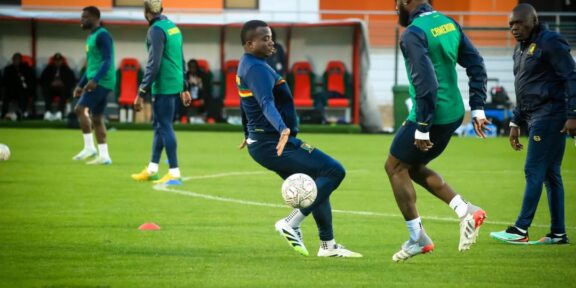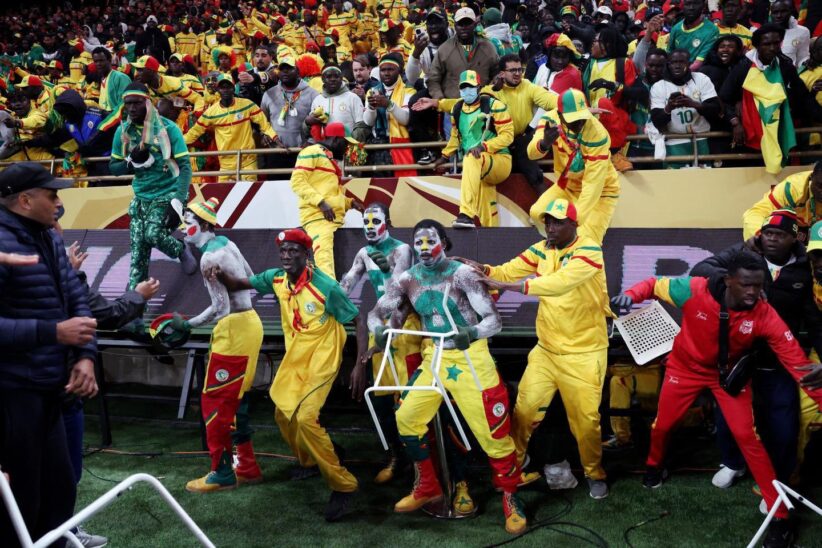
African football now stands at a delicate crossroads as the Confederation of African Football edges closer to a ruling that could redefine how the game handles disruptions at the highest level. What unfolded during and after the 2025 AFCON final between Senegal and Morocco has moved beyond the pitch, evolving into a legal and disciplinary battle with implications far beyond the trophy itself.
In the immediate aftermath of a chaotic and emotionally charged final, CAF issued a strongly worded statement condemning what it described as “unacceptable behaviour” during the closing stages of the match. The governing body confirmed that an investigation had been launched without delay, signalling the seriousness with which it viewed the incidents that marred the showpiece occasion.

As all involved parties submitted their accounts, CAF’s Ethics and Disciplinary Committee convened on Tuesday to formally hear the case. The hearing followed detailed reports from match officials and formal protests lodged by the Royal Moroccan Football Federation, who argued that the flow and integrity of the final were irreversibly compromised. While an immediate verdict was anticipated, CAF confirmed that questioning is ongoing, with virtual interviews scheduled with the parties involved before a final decision is delivered within the next 24 hours.
At the heart of the dispute is Morocco’s extraordinary petition to both CAF and FIFA, seeking to have Senegal stripped of the AFCON title and the trophy awarded to them instead. The Moroccan federation anchored its case on Article 82 of the competition regulations, which stipulates that a team deemed to have withdrawn from a match forfeits the game. Morocco contend that Senegal’s actions following the award of a penalty — which Moroccan officials insist was correct and supported by unanimous expert opinion — amounted to a withdrawal that directly affected the normal course of play and the performance of their players.
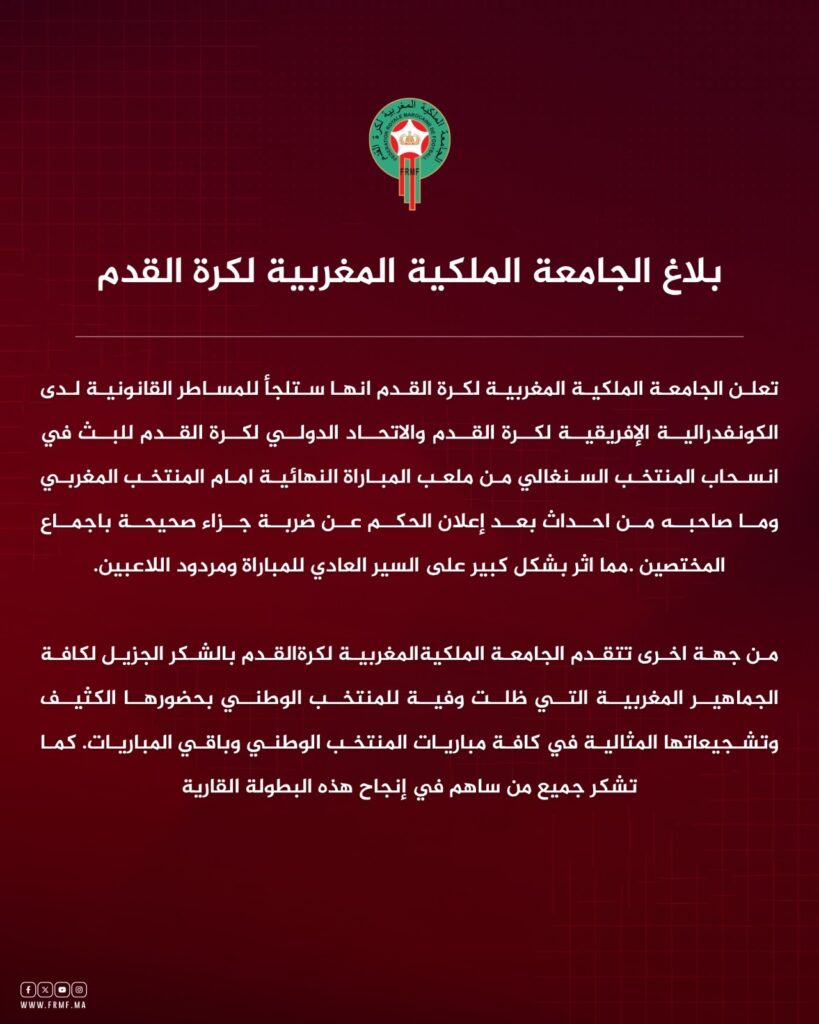
In a firm and carefully worded statement, the Royal Moroccan Football Federation announced its intention to pursue all available legal avenues at both continental and global level. While outlining its grievances, the federation also took time to acknowledge the unwavering support of Moroccan fans throughout the tournament, praising their strong presence and conduct across all matches and crediting contributors to what it described as a successful continental event.
On the other side, the Senegalese Football Federation was summoned before the CAF Disciplinary Jury on Tuesday, January 27, 2026. Their appearance followed the same match officials’ reports and the Moroccan protests that triggered the disciplinary process. Senegal were represented not only administratively but also technically, underlining the gravity of the proceedings.
Head coach Pape Thiaw appeared before the panel alongside key players Ismaïla Sarr and Iliman Ndiaye, all of whom were questioned on the events surrounding the prolonged stoppage, the team’s conduct, and the decisions taken in the heat of the moment. Their testimonies form a central part of CAF’s ongoing assessment as it weighs regulations against the unprecedented nature of the final’s disruption.

As African football waits, the significance of CAF’s impending decision cannot be overstated. Beyond the fate of the AFCON trophy, the ruling is expected to set a precedent on how future incidents of match disruption, protests, and alleged withdrawals are interpreted and sanctioned. With the world watching, CAF now carries the burden of delivering a verdict that balances regulation, fairness, and the credibility of the continental game.