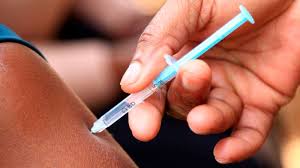
Approximately 7,900 Kenyans have received the long-acting HIV prevention injection Lenacapavir since its introduction in February 2026, according to data presented during a recent learning forum involving county governments, health officials, and development partners.
The beneficiaries are from 15 counties participating in the first phase of the rollout, which is part of Kenya’s efforts to expand access to innovative HIV prevention options beyond daily oral medication.
The forum, organized by National AIDS and STI Control Programme and LVCT Health, brought together representatives from participating counties to assess progress, identify challenges, and share lessons from implementation.
Lenacapavir offers a long-acting alternative for preventing HIV infection, reducing the need for daily oral PrEP and giving users more prevention choices.
Patriciah Jeckonia, Head of Policy and PrEP Technologies at LVCT Health, said counties have received technical support to address implementation gaps, particularly around community awareness and demand creation.
She noted that one of the biggest challenges has been limited public understanding of HIV prevention options, including Lenacapavir. To address this, new communication materials developed with community input are being prepared for nationwide use.
The first phase of the rollout covers Nairobi, Kiambu, Kajiado, Kisumu, Homa Bay, Siaya, Migori, Kisii, Kakamega, Busia, Uasin Gishu, and Nakuru counties, among others. Expansion to the remaining counties is expected to begin next month.
Health experts at the forum highlighted differences in implementation across regions, citing cultural, religious, economic, and social factors that influence uptake. They also expressed concern that adolescent girls and young women—who remain among the populations most vulnerable to HIV infection—are not yet accessing the injectable option in sufficient numbers.
LVCT Health Executive Director Dr Lilian Otiso emphasized the importance of involving communities in the design and delivery of new health innovations to ensure successful adoption and long-term impact.
Despite the encouraging uptake, officials acknowledged that misinformation and stigma remain significant barriers. Some communities continue to hold misconceptions about the injectable prevention method, affecting acceptance and utilization.
Among those sharing their experiences was 26-year-old Samson Mutua, the first Kenyan to receive Lenacapavir after its rollout. Mutua said misinformation following his injection led to widespread speculation, prompting him to temporarily withdraw from public communication.
He has since become an advocate for HIV prevention awareness, using his experience to educate communities and encourage informed decision-making.
The forum also raised concerns about weaknesses in data collection systems. Officials warned that incomplete reporting from some health facilities could affect accountability, planning, and supply management.
Jeckonia stressed that strengthening data systems is essential for tracking usage, preventing losses, and maintaining confidence among donors and partners supporting the programme.
As Kenya prepares for nationwide expansion of Lenacapavir, health stakeholders say improving awareness, addressing stigma, and strengthening reporting systems will be critical to ensuring equitable access to the new HIV prevention option.