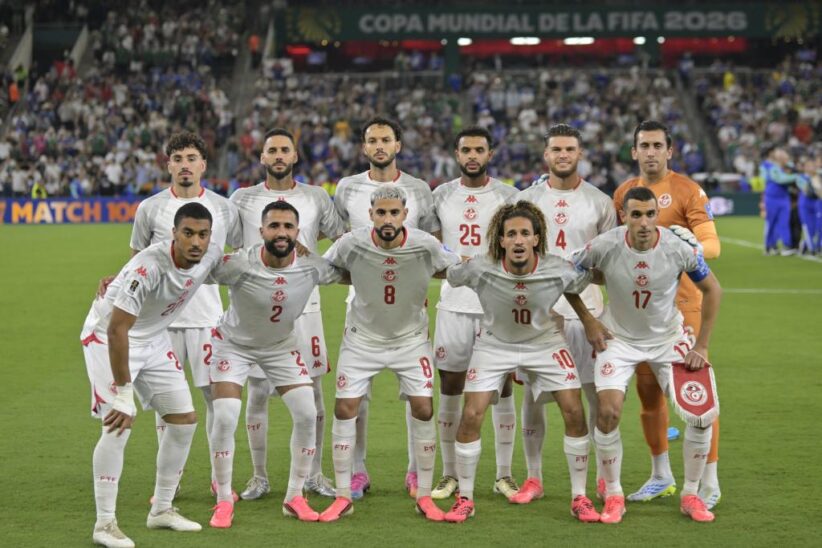
Tunisia’s Sudden Collapse and the Questions That Follow
Six months before the 2026 FIFA World Cup, Tunisia looked like one of Africa’s most reliable and disciplined sides. The Carthage Eagles had stormed through qualification unbeaten, recording nine wins and one draw while keeping an extraordinary ten consecutive clean sheets. On paper, they were a defensive unit built for tournament football, organized, compact and extremely difficult to break down.
But there was an important detail hidden beneath those numbers: the level of opposition they faced on the road to the World Cup. Tunisia were placed in a relatively soft qualifying group featuring São Tomé and Príncipe, Malawi, Liberia and Namibia, with only Equatorial Guinea offering a slightly higher level of resistance. While they did what was required professionally, many pundits quietly noted that the group did not consistently test Tunisia against elite or high-intensity opposition. The concern was simple ,the defensive record looked perfect, but it had not been truly stress-tested.
That concern would later be proven relevant.
The first signs of instability came after a disappointing 2025 Africa Cup of Nations campaign, which triggered changes at the top. The Tunisian Football Federation dismissed Sami Trabelsi and appointed Sabri Lamouchi in January 2026, only months before the World Cup. Instead of building continuity, Tunisia entered a period of rapid change at the worst possible time.
Lamouchi attempted a major overhaul of the squad, introducing new players and tactical adjustments in a short window. What should have been a period of fine-tuning became a full rebuild. As a result, cohesion suffered, and the team arrived at the World Cup still searching for its identity.
The warning signs were already visible in preparation matches, especially a 5-0 defeat to Belgium that exposed defensive disorganization and a lack of understanding between units. Still, the scale of the problem was not fully understood until the tournament began.
Sweden delivered the first shock, dismantling Tunisia 5-1 in their opening match. The same side that had gone ten games without conceding in qualification suddenly looked exposed, uncertain and unable to cope with sustained pressure at the highest level. Defensive structure broke down, communication faltered, and confidence drained quickly.
In response, the federation made another drastic decision, dismissing Lamouchi during the tournament and appointing Hervé Renard in a desperate attempt to stabilize the situation. But with no time to implement ideas or rebuild trust within the squad, the intervention came too late.
Japan delivered the final blow with a commanding 4-0 victory that confirmed Tunisia’s elimination and sealed a tournament defined by instability rather than competition.
It was after that match the captain ,Nice Defender Ali Abdi spoke with visible emotion, offering a brutally honest reflection of what had gone wrong.
Speaking to beIN Sports, he said,
“I apologise to the Tunisian supporters, but not to the people who amuse themselves by leaking information left and right.”
He then pointed directly to what he saw as the deeper issue behind Tunisia’s collapse.
“Look at the Japan national team. It’s almost the same roster as during the Kirin Cup, the same team as always. We’re challenging with a hastily assembled team. A new coach was appointed just one month before the World Cup and the whole team was overhauled.”
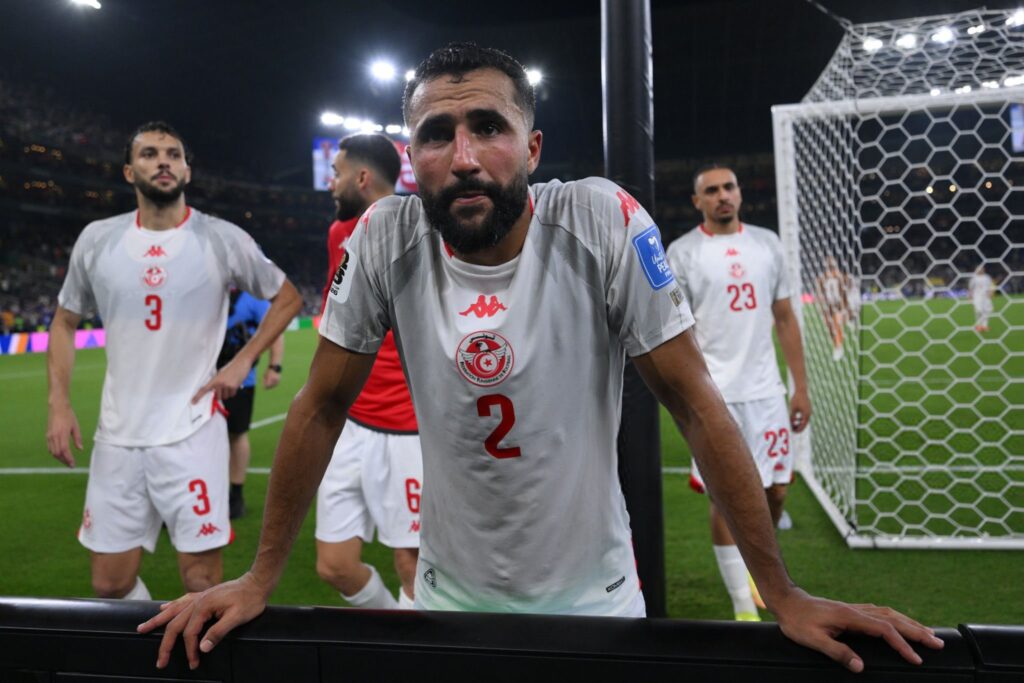
Abdi’s frustration centered on continuity, or the lack of it. While other teams arrived with stable squads built over years, Tunisia arrived after a series of late changes, tactical resets and managerial instability. In his view, the gap in preparation was decisive.
“There’s no way we can compete against powerhouses who’ve prepared for years,” he added. “It’s common sense that you cannot rebuild everything just before a tournament and expect results.”
He later clarified that his criticism was not personal but structural, stressing that team-building requires time and patience. “Building a team takes time. One month, two months, three months isn’t enough.”
Another voice, Hazem Mastouri, reinforced the same sentiment in even starker terms, calling for sweeping reform after the tournament.
“I have nothing to say, Tunisian football must be reformed from top to bottom. Since the preparation camp in Tabarka, many things have gone wrong.”
In hindsight, Tunisia’s collapse was not simply a story of poor performances at the World Cup. It was the outcome of a longer chain of decisions, from a relatively untested qualifying campaign against weaker opposition, to rushed managerial changes, to a lack of continuity in preparation.
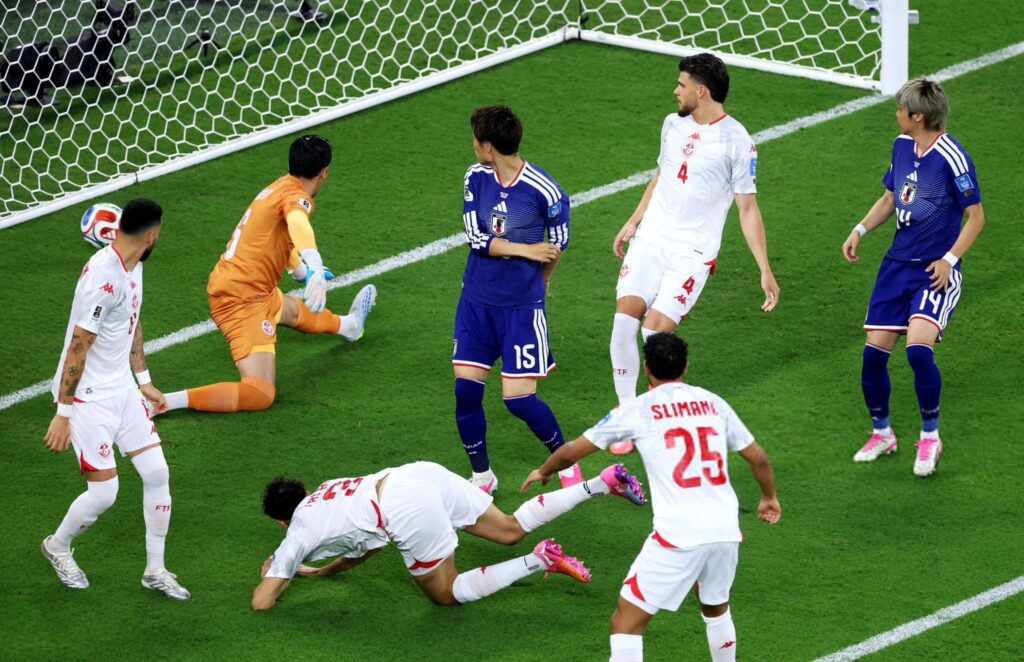
Sweden and Japan did not create Tunisia’s problems; they exposed them under the brightest possible lights.
For Tunisia, the Carthage Eagles did not just lose matches in 2026. They lost the structure, rhythm and certainty that once defined them, long before the World Cup even began.