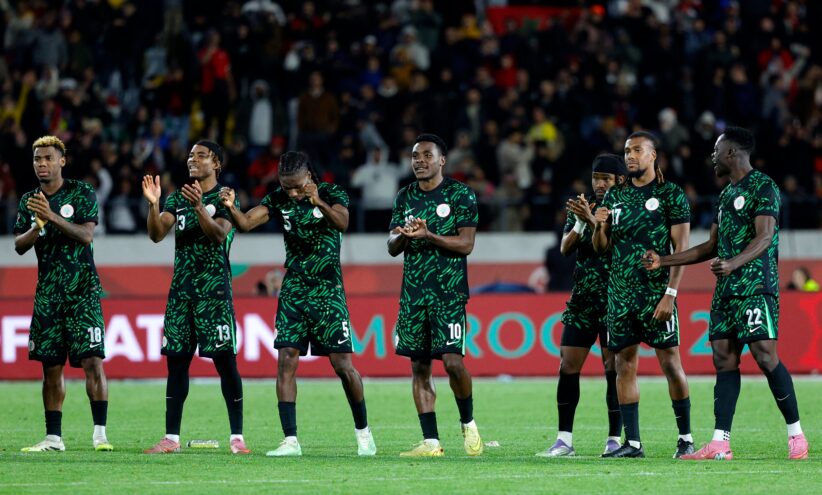
Nigeria secured third place at the Africa Cup of Nations after edging past Egypt 4–2 on penalties following a tense 0–0 draw in regular time, bringing a gripping contest at Stade Mohamed V to a dramatic conclusion.
From the opening whistle, the intensity expected of two wounded giants was evident. Nigeria asserted themselves early, moving the ball confidently across midfield and pressing high as Egypt dropped deep to absorb pressure. Within the opening minutes, the Super Eagles dictated the tempo, forcing Egypt into hurried clearances as the crowd attempted to influence proceedings from the stands.
As the first half progressed, Nigeria continued to enjoy territorial dominance. Their passing sequences stretched Egypt’s defensive shape, with crosses and set pieces creating moments of unease in the Egyptian penalty area. An early Nigerian corner heightened the pressure, though Egypt’s back line stood firm, repelling danger and gradually finding composure to build attacks of their own.
Midway through the half, Egypt briefly relieved the pressure, advancing through measured possession and probing down the flanks. However, clarity in the final third proved elusive for both sides. Nigeria came closest when a driven effort was comfortably gathered by the Egyptian goalkeeper, underlining their growing control without reward.
Nigeria thought they had broken the deadlock late in the first half, only for the goal to be ruled out following an infringement in the buildup. The disallowed effort maintained the stalemate as the match headed toward halftime, with both teams locked in a physical, tactical duel that lacked goals but not intensity.
The second half resumed without changes, and Nigeria immediately resumed their aggressive approach. Pressing high and committing numbers forward, they forced Egypt into long spells without possession. An apparent breakthrough was again denied when an offside call halted celebrations, frustrating the Super Eagles as Egypt struggled to escape their own half.
The match grew increasingly physical as fouls disrupted the rhythm. Egypt attempted to regain control through substitutions aimed at restoring balance in midfield and injecting attacking urgency, yet Nigeria’s pressure remained relentless. Despite moments where Egypt survived by inches, the opening goal continued to evade both sides.
With the final quarter-hour approaching, Mohamed Salah became Egypt’s primary outlet, drifting wide in search of space but finding himself closely marked. Nigeria responded with their own attacking changes, increasing the tempo as both teams sensed the game could be decided by a single moment.
The closing stages were frenetic, with end-to-end action and rising tension. Neither side could find the decisive breakthrough, and as the final whistle sounded at the end of regulation, the scoreboard remained unchanged, sending the contest to penalties.
The shootout began nervously. Nigeria’s first penalty was poorly struck and easily saved, handing Egypt an early advantage. That momentum quickly shifted when Mohamed Salah stepped up for Egypt’s opening kick and saw his effort brilliantly saved by the Nigerian goalkeeper, levelling the psychological battle.
Egypt then missed again, opening the door for Nigeria to seize control. The Super Eagles converted their next two penalties with composure, while Egypt faltered under mounting pressure from the stands. Though Egypt briefly stayed alive by converting a later attempt, Nigeria remained unshaken.With their fifth penalty, Nigeria sealed the shootout 4–2, confirming third place after a dramatic and hard-fought contest that reflected the fine margins separating Africa’s elite.
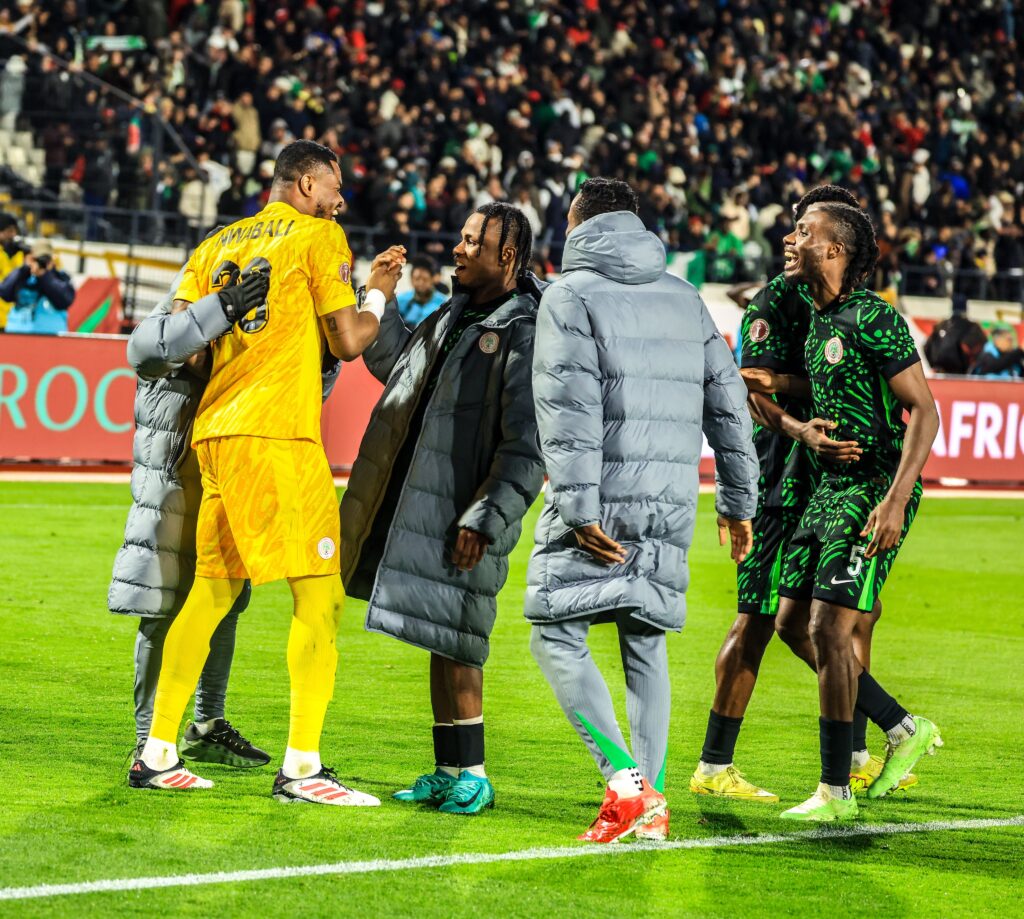
While neither side achieved their ultimate goal at AFCON, Nigeria depart Casablanca with bronze medals and a statement of resilience, closing their campaign on a winning note after semi-final heartbreak. Egypt, meanwhile, are left to reflect on a tournament of promise and missed opportunities, undone in the end by penalties on a night where neither side could find a way through in open play.