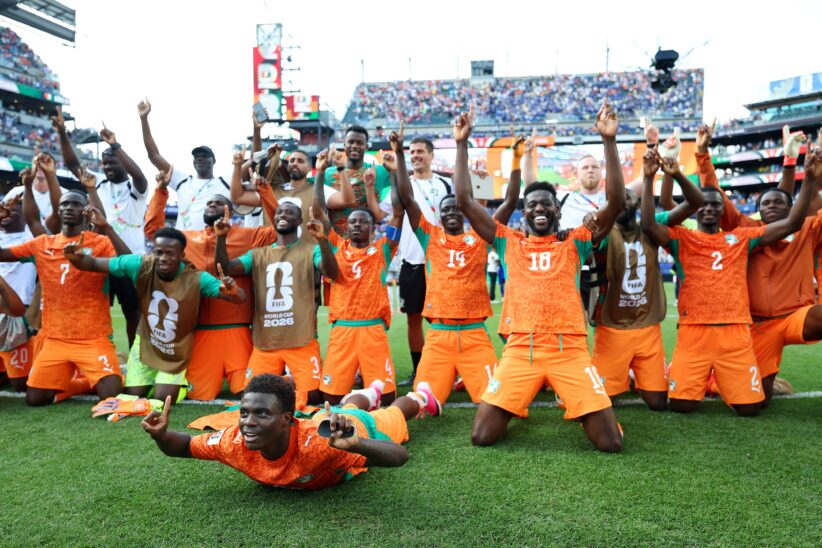
It was a day of contrasting emotions for African football at the 2026 FIFA World Cup. While Côte d’Ivoire celebrated a historic breakthrough by reaching the knockout stage for the first time in their history, Tunisia’s miserable campaign came to a disappointing end, capping one of the worst World Cup performances by an African nation in recent memory.
For the Elephants, it was a night to remember at Philadelphia’s Lincoln Financial Field. For the Carthage Eagles, it was another painful reminder of what might have been.
Still recovering from the heartbreak of their defeat to Germany, Côte d’Ivoire responded exactly as top teams do, with resilience. Emerse Faé’s men produced a composed and clinical display to beat World Cup debutants Curaçao 2-0, securing the three points they desperately needed to book a historic place in the Round of 32.
The victory was inspired by veteran winger Nicolas Pepe, who rolled back the years with a match-winning brace.
The former Arsenal forward opened the scoring early after Yan Diomandé won possession high up the pitch before picking him out inside the box. Pepe made no mistake, calmly slotting past Eloy Room to hand the Elephants an early advantage.
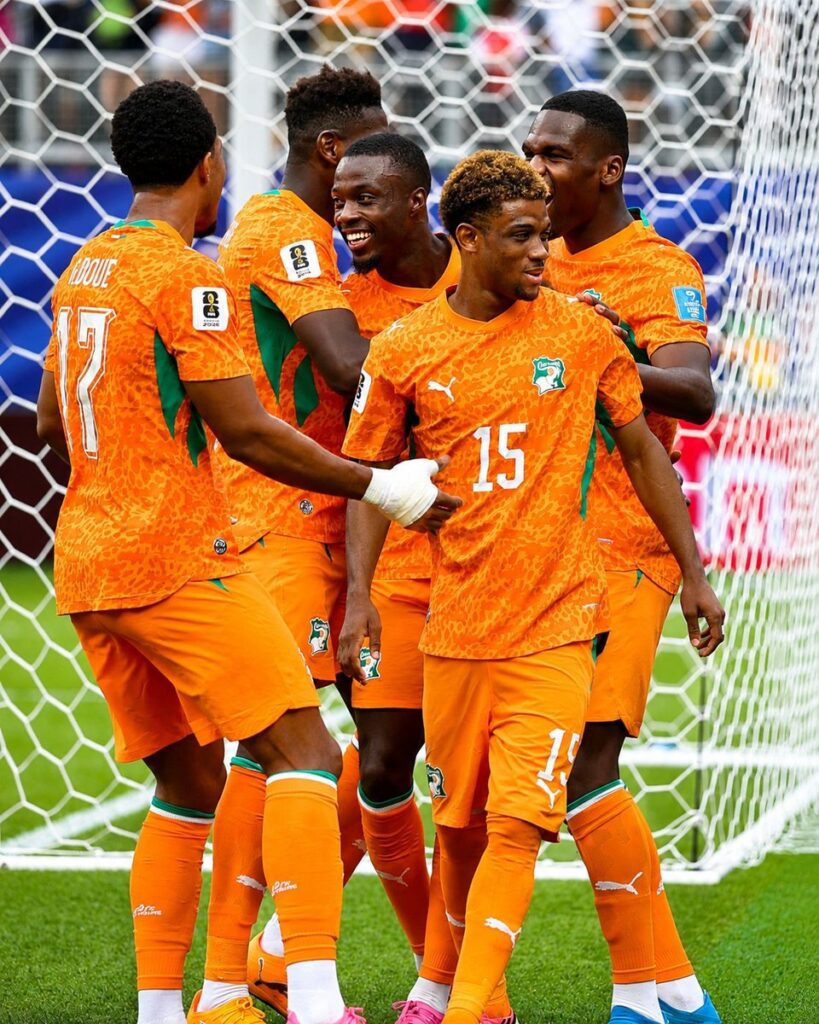
Although Curaçao gradually settled into the contest and threatened through Tahith Chong, Livano Comenencia and Jurgen Locadia, Ivory Coast remained the more dangerous side throughout. Yahia Fofana produced important saves whenever called upon, while Franck Kessié and Ibrahim Sangaré controlled the midfield battle.
After surviving Curaçao’s best spell, the Elephants finally killed off the contest midway through the second half. Sangaré threaded a perfectly weighted pass into the path of Pépé, who controlled superbly before firing high into the roof of the net to complete his brace and send the Ivorian supporters into celebration.
Emerse Faé’s substitutions also proved effective, with Elye Wahi, Bazoumana Touré and Oumar Diakité adding fresh energy as Ivory Coast comfortably managed the closing stages.
When referee Glenn Nyberg blew the final whistle after 95 minutes, history had been made. The Elephants had qualified for the FIFA World Cup knockout stage for the very first time, another milestone for a golden generation determined to leave its mark on the global stage.
While celebrations erupted in Philadelphia, there was little to cheer for Tunisia in Kansas City.
Already eliminated after heavy defeats to Sweden and Japan, the Carthage Eagles hoped to salvage some pride against the Netherlands. Instead, they suffered another defeat, losing 3-1 to the Dutch to finish bottom of Group F without a single point.
Ironically, Tunisia began brightly and created the first meaningful opportunity of the match. However, their inability to convert early chances once again proved costly.
The Netherlands punished them ruthlessly. An early own goal handed the Oranje the lead before Brian Brobbey doubled the advantage with a clinical finish after excellent work from Virgil van Dijk. Although Hazem Mastouri gave Tunisia brief hope with a well-taken header early in the second half, Jan Paul van Hecke restored the Dutch’s two-goal cushion from a corner to seal a comfortable victory.
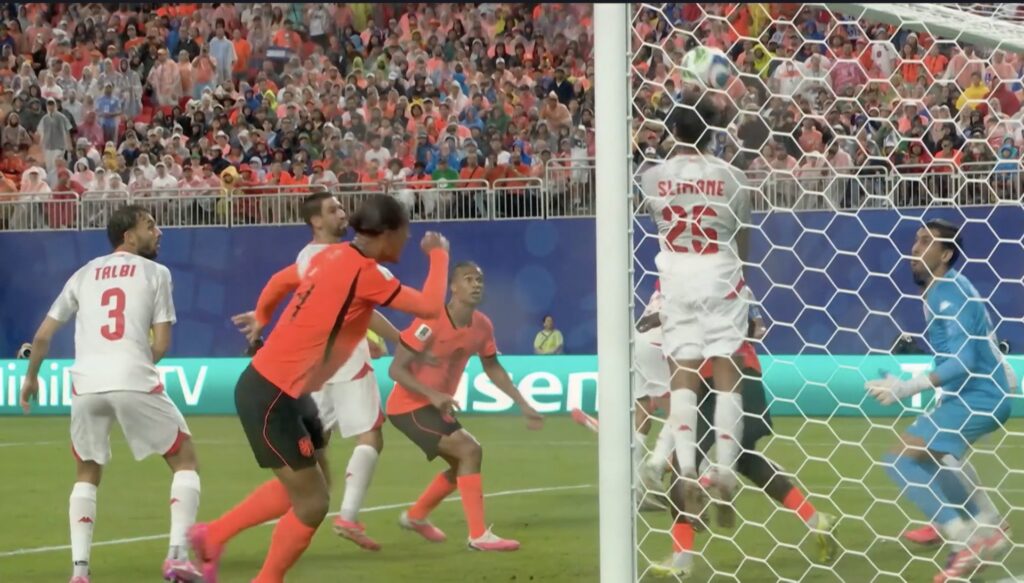
The defeat completed a dismal campaign for Tunisia. Three matches, three defeats, twelve goals conceded and only two scored, a remarkable collapse for a side that had arrived in North America boasting one of Africa’s most impressive qualifying records.
Having gone through qualification unbeaten with ten consecutive clean sheets, Tunisia instead became the tournament’s first African casualty, exposing the dangers of instability, rushed preparations and late managerial changes that ultimately undermined their campaign.
For African football, however, the day belonged to Côte d’Ivoire.
With Morocco and South Africa already through, the Elephants became another CAF representative to book a place in the knockout rounds, keeping alive Africa’s hopes of another memorable World Cup run.
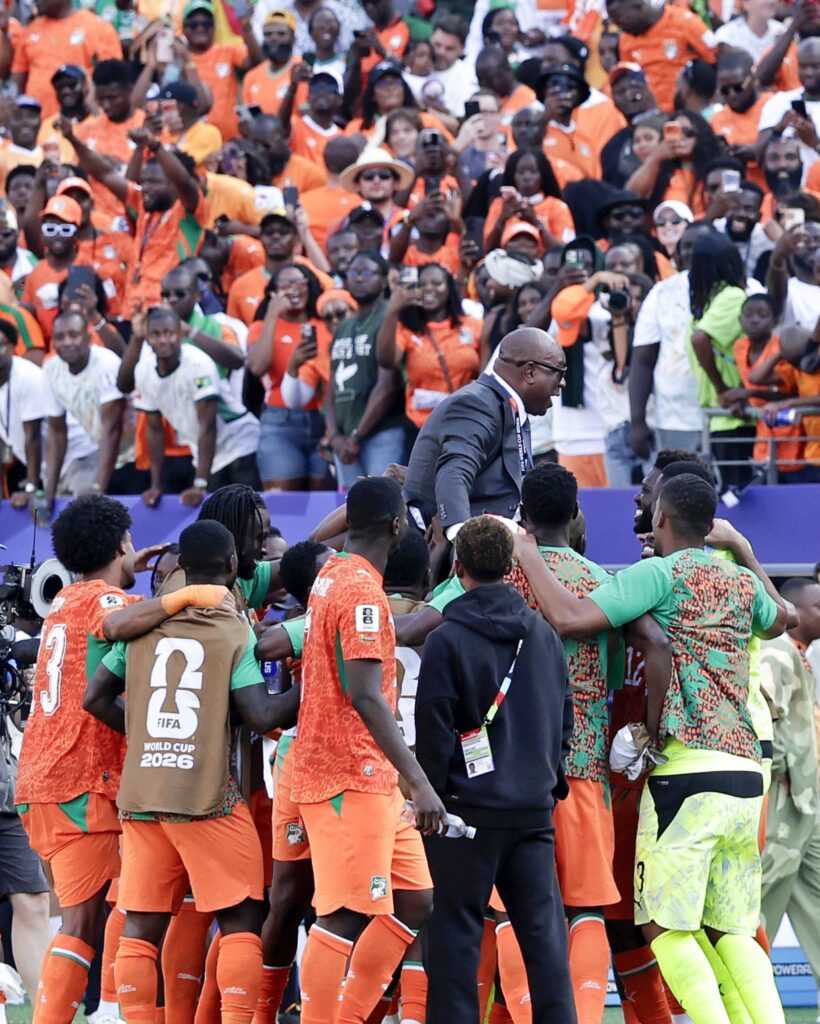
As one giant stumbled, another continued marching forward, reminding the football world that while one chapter closed painfully for Tunisia, a historic new one has only just begun for Côte d’Ivoire.