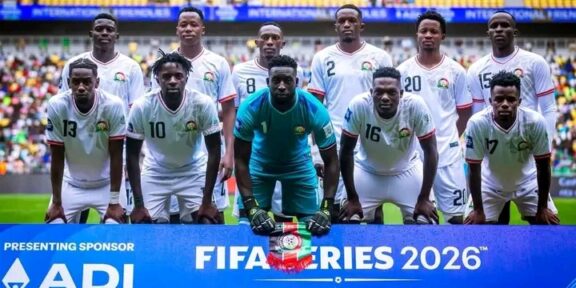
African football clubs are set for a major financial boost after FIFA announced a record $355 million (Ksh.45.9 billion) Club Benefits Programme for the 2026 FIFA World Cup, a development widely seen as a step forward in strengthening the continent’s football ecosystem.
The expanded programme marks a 70% increase compared to the 2022 edition and, for the first time, includes compensation for clubs whose players participate in World Cup qualifiers, not just the final tournament.
FIFA says the new model is designed to spread financial rewards more fairly and ensure more clubs benefit from releasing players for international duty.
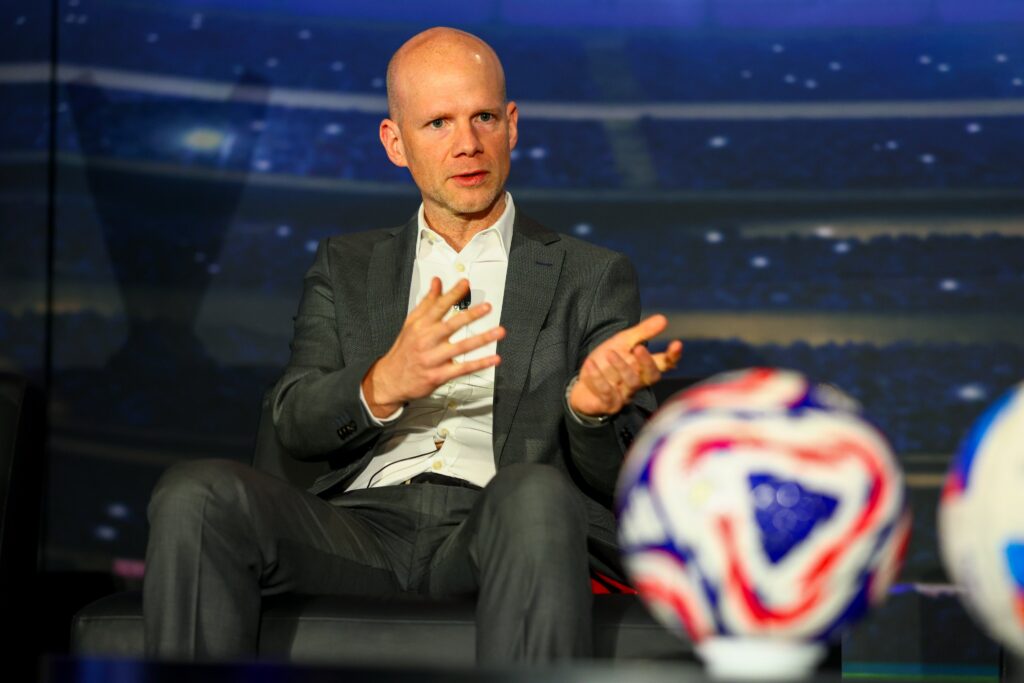
“The new system and distribution model are intended to be more inclusive and solidarity-driven by increasing the number of clubs that benefit from the Programme,” FIFA Secretary General Mattias Grafström said.
Of the total fund, $250 million (Ksh.32.3 billion) will go to clubs releasing players for the World Cup finals, $100 million (Ksh.12.9 billion) to clubs that released players during qualifiers, and $5 million (Ksh.646.7 million) for administration and wider club football support.
The inclusion of the qualifying phase is seen as a major breakthrough for African football, where clubs often bear the burden of releasing key players for national duty with little financial return.
Now, clubs that contributed players during the long qualification campaign will also earn compensation, creating a more continuous revenue stream across the World Cup cycle.
In Kenya, this development is expected to directly benefit clubs such as Gor Mahia, which has consistently supplied players to the national team during qualifiers. With a large number of national team call-ups drawn from its squad over different qualification windows, Gor Mahia stands among the local clubs to gain the most from the new FIFA model.
Other Kenyan Premier League sides such as Tusker FC and Kenya Police FC are also set to benefit, having released players to the national team during the qualifying matches. The payouts will provide much-needed financial support to strengthen club operations, player development, and infrastructure.
Strong African club representation
Across the continent, domestic leagues are heavily represented in national squads participating in qualifiers and heading into the 2026 World Cup cycle, underlining the growing importance of African clubs in global football development.
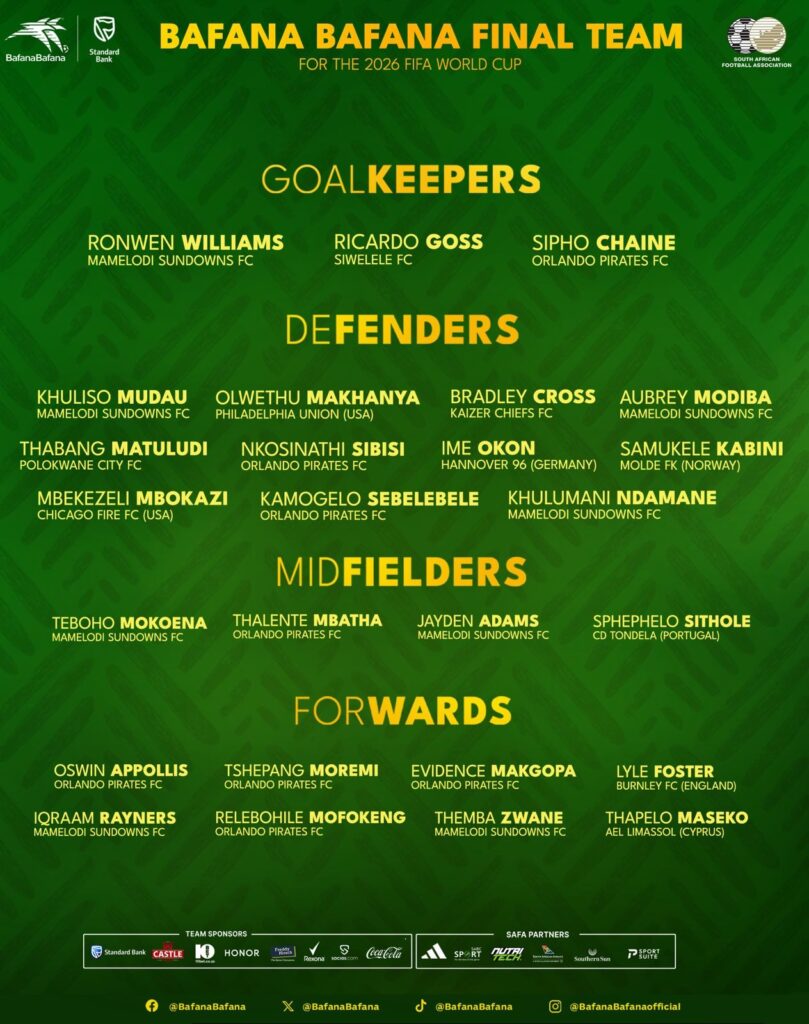
South Africa’s Premier Soccer League leads with 19 locally based players:
- Mamelodi Sundowns (8 players)
- Orlando Pirates (8 players)
- SuperSport United (1 player)
- Kaizer Chiefs (1 player)
- Stellenbosch FC (1 player)
Egypt follows with 17 players from its domestic league:
- Al Ahly SC (7 players)
- Zamalek SC (5 players)
- Pyramids FC (3 players)
- Al Masry (1 player)
- Future FC (1 player)
Tunisia contributes 7 players from Ligue Professionnelle 1:
- Espérance de Tunis (2 players)
- Club Africain (2 players)
- CS Sfaxien (1 player)
- Étoile du Sahel (1 player)
- US Monastir (1 player)
Algeria has 3 domestic-based players:
- USM Alger (2 players)
- CR Belouizdad (1 player)
Morocco contributes 2 players:
- AS FAR (1 player)
- RS Berkane (1 player)
Ghana has 1 locally based player:
- Asante Kotoko (1 player)
The increased payouts are expected to ease financial pressure on African clubs, many of which invest heavily in developing talent only for players to spend long periods on international duty.
With compensation now extended to both qualifiers and finals, clubs will receive more consistent financial recognition for their role in developing national team players.
FIFA estimates that clubs will earn around $5,000 (Ksh. 646,700) per player per day during the World Cup finals, and approximately $2,362 (Ksh. 305,500) per player appearance during qualifiers.
Beyond the financial benefit, the programme is expected to support long-term growth by enabling African clubs to improve facilities, strengthen youth development structures, and reduce the competitive gap with wealthier leagues in Europe and elsewhere.
As African football continues to grow in global influence, the expanded Club Benefits Programme could become a key tool in helping clubs transform talent production into sustainable football development.