Kenya has taken a significant step in reshaping its sports sector after President William Ruto announced a sweeping review of how athletes and officials are supported during international assignments, raising daily allowances and unveiling broader structural reforms.
Speaking at State House Nairobi during a celebratory reception for marathon sensation Sebastian Sawe, the President confirmed that athletes representing the country abroad will now receive a daily allowance of Ksh 25,000, while team officials will earn Ksh 38,000. The move marks a sharp rise from previous rates and signals a renewed commitment to improving welfare within national teams.
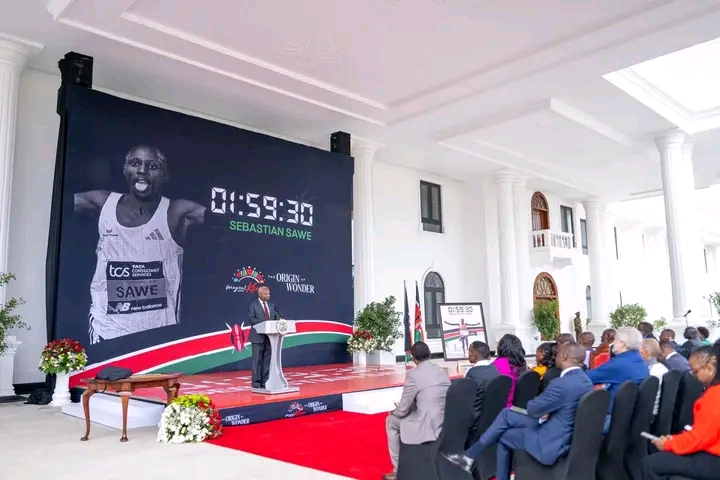
The adjustment is part of a wider reform agenda anchored in the proposed Sports Bill 2026, which aims to streamline sports management, enhance accountability, and create a more supportive environment for both athletes and administrators. Ruto noted that better facilitation is essential if Kenya is to maintain its competitive edge on the global stage, particularly in disciplines where the country has traditionally excelled.
Beyond allowances, the government has also introduced a revised reward system targeting medal winners at major competitions. Athletes who secure gold medals in athletics will now be awarded Ksh 3 million, with silver and bronze medalists earning Ksh 2 million and Ksh 1 million respectively. At the Commonwealth Games, gold medalists will take home Ksh 2.5 million, while silver and bronze winners will receive Ksh 1.5 million and Ksh 1 million.
The reforms extend further into grassroots development, with plans underway to establish Constituency Sports Academies across the country. These academies are expected to play a critical role in identifying young talent early, providing structured training, and offering clearer pathways into professional sport. The initiative is designed to address long-standing gaps in talent development and ensure a steady pipeline of athletes for future international competitions.
In a bid to strengthen governance, the proposed law will also introduce a National Sports Regulatory Authority. The body will oversee standards within sports federations, ensuring transparency, professionalism, and accountability in the management of sports in Kenya.
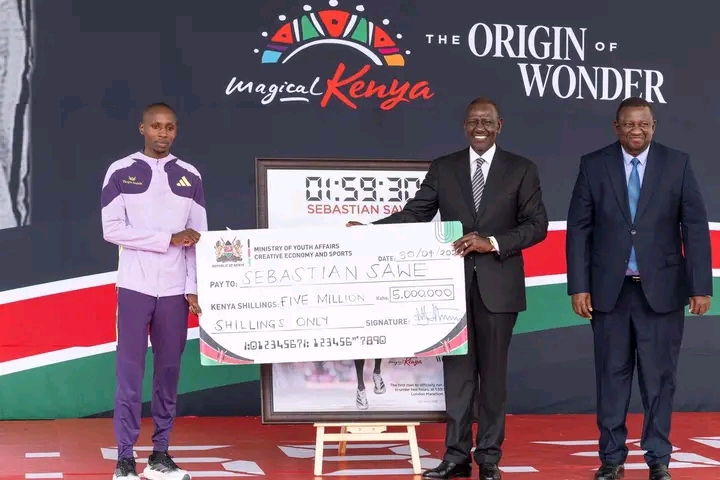
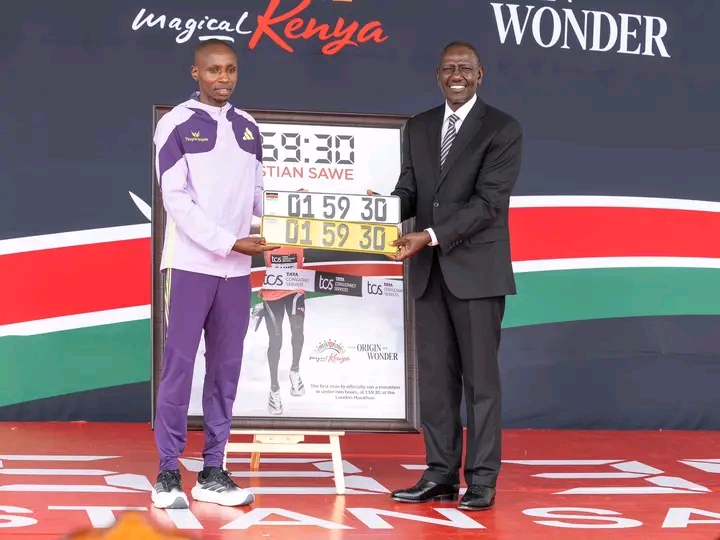
Sawe, who recently made global headlines with a new marathon world record, became one of the first beneficiaries of the enhanced reward structure. He received Ksh 8 million in recognition of his achievement and was further honoured with a customized number plate bearing his record time of 1:59:30, symbolizing the nation’s pride in his historic feat.
The government believes these measures will not only elevate performance but also position sports as a viable economic pillar. By investing in athlete welfare, infrastructure, and governance, Kenya is seeking to transform sporting talent into sustainable careers while inspiring the next generation of champions.