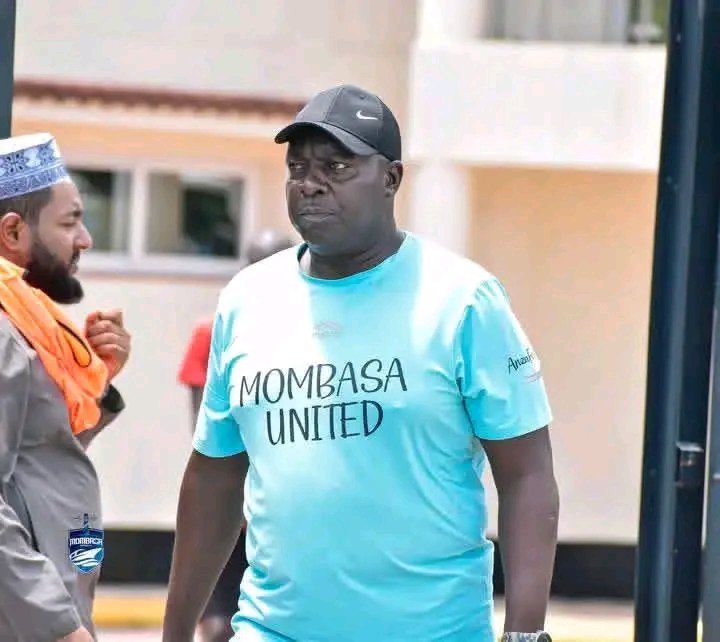
Mombasa United’s decision to part ways with head coach Gilbert Selebwa has cast a shadow over what had been shaping up as one of the club’s most promising seasons in recent years, with emerging details pointing to deep internal divisions rather than matters on the pitch.
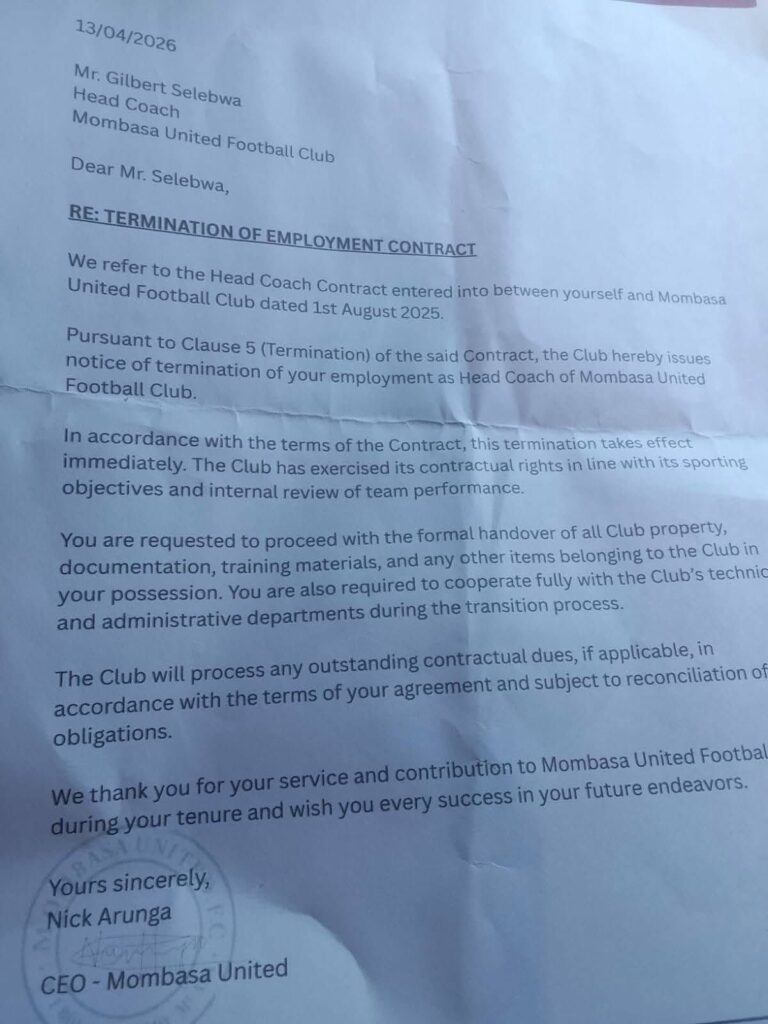
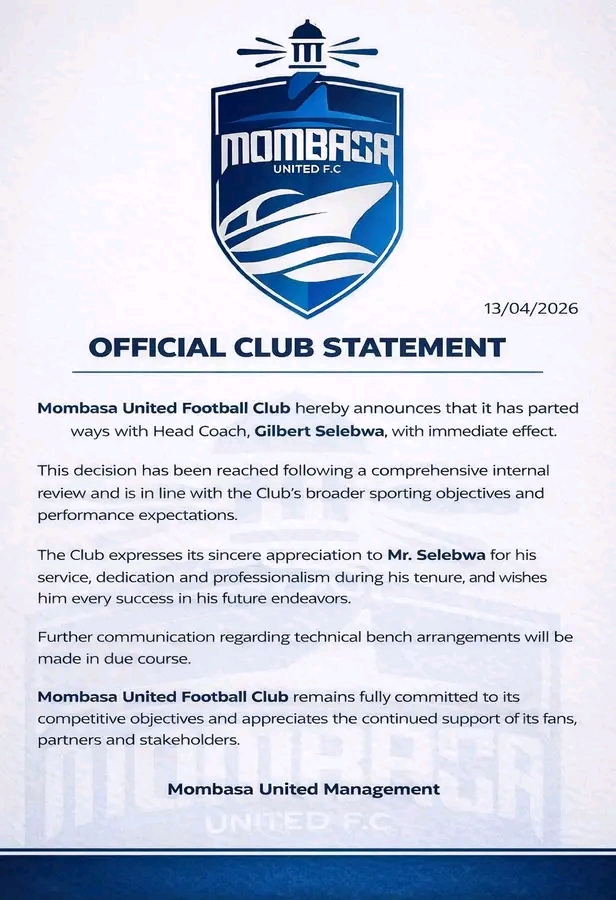
In a termination letter dated April 13, 2026, and signed by CEO Nick Arunga, the club formally ended Selebwa’s contract with immediate effect, invoking Clause 5 of the agreement he signed upon his appointment in August 2025. The letter cited an internal review aligned with the club’s sporting objectives, while also directing the coach to oversee a full handover of club property and cooperate during the transition.
But behind the official communication lies a different narrative.
Sources within the club indicate that Selebwa’s exit was the culmination of prolonged wrangles with sections of the management, stemming largely from disagreements over team selection and control of footballing decisions. The experienced tactician is understood to have resisted repeated pressure to adopt a preferred lineup, instead sticking firmly to a merit based approach in picking his squad.
That stance is said to have put him on a collision course with club officials, who reportedly favored a structure leaning more heavily toward locally preferred players. What began as subtle disagreements gradually evolved into a breakdown in working relations, with insiders suggesting that the decision to remove him had long been made.
According to those familiar with the situation, there had been a push to install a different technical bench one aligned with certain figures within the club hierarchy well before the season reaches its conclusion. The objective, sources claim, was to have a new leadership group in place to guide the team into the top tier and ultimately take ownership of that success.
The timing of the sacking has only fueled those claims. It is believed that the club had been waiting for a slip in results to justify the move publicly, with last week result, falling 2–0 to Kibera Black Stars providing the opening to execute a decision that had already been settled internally.
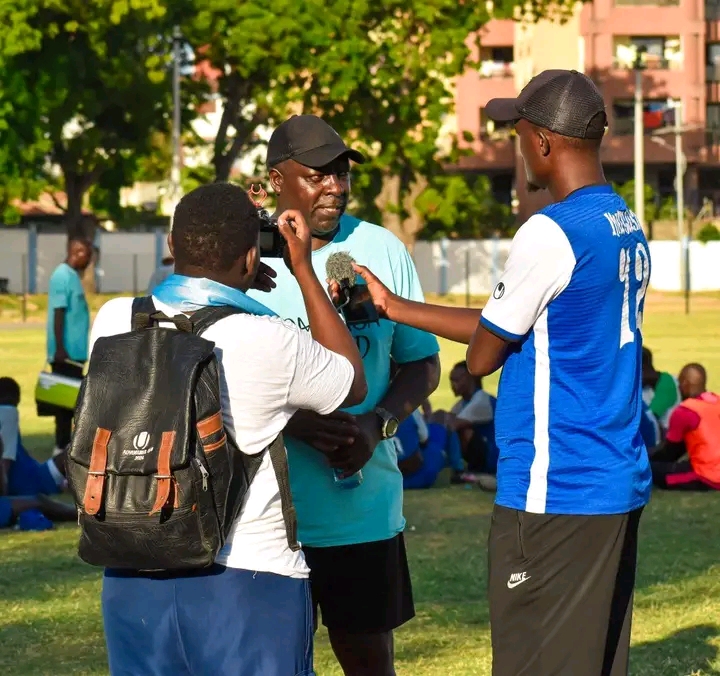
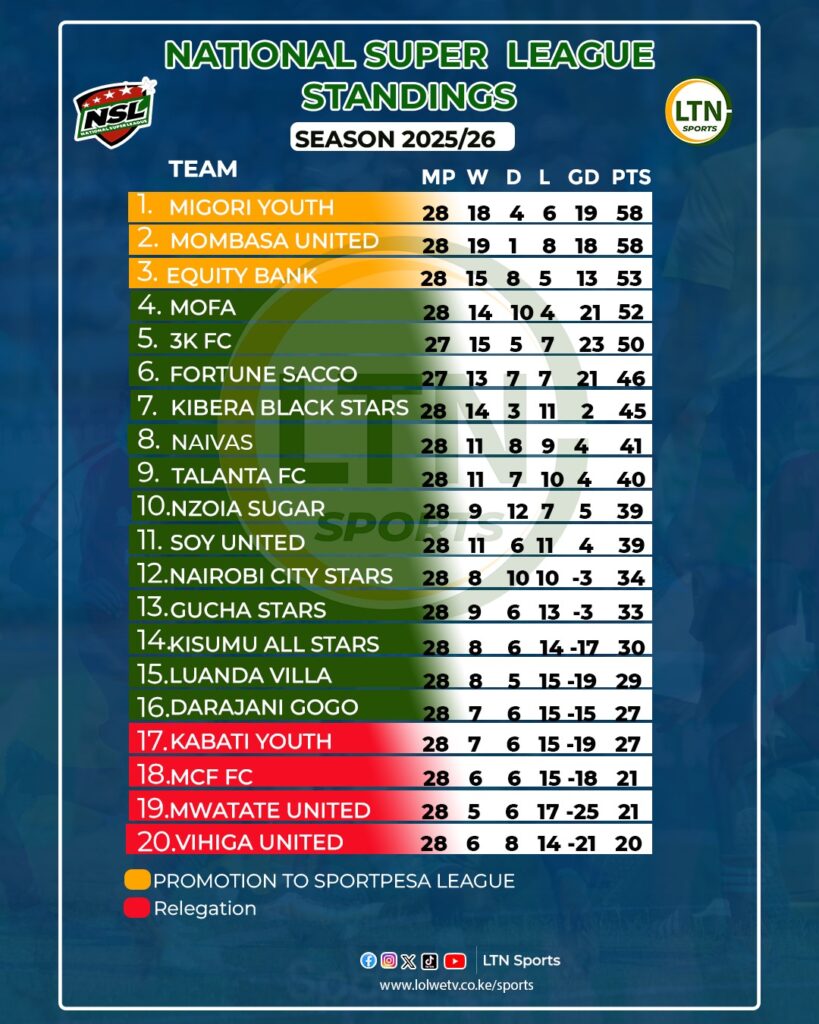
Selebwa’s departure comes despite a remarkable turnaround he had overseen since replacing Hamadi Said at the start of the 2025 26 campaign. When he took charge, Mombasa United were reeling from a difficult season that saw them finish 16th in the FKF National Super League standings with 37 points, narrowly avoiding relegation.
Under his guidance, the team transformed into genuine promotion contenders, climbing to the top of the table and positioning themselves on the brink of a maiden qualification to top flight. His tactical discipline and structured approach had restored belief within the squad and brought consistency to a side that had previously struggled for identity.
A veteran of the Kenyan game, Selebwa’s CV spans both lower tier and top flight football, having managed low division sides such as Samwest Blackboots, Luanda Villa and Congo Boyz, as well as established clubs like Shabana FC and AFC Leopards. He remains widely respected for leading AFC Leopards back to the top tier in 2009, a defining achievement that cemented his standing in local football.
While Mombasa United, in their official statement, expressed appreciation for his contribution and wished him well, the manner and timing of his exit raise serious questions about internal stability at a moment when unity is most needed.
With promotion now within touching distance, the focus shifts to how the club will navigate the final stretch of the season amid the turbulence and whether the gamble to change leadership at such a critical point will ultimately pay off.