On 17th February 1968, a dream was born in Nairobi. From the merger of Luo Union and Luo Stars emerged a club that would grow into Kenya’s most decorated football institution ,Gor Mahia. 58 years later, the name still commands reverence across the country and beyond. It evokes packed terraces, green & white sea of supporters, fierce rivalries, and a trophy cabinet that tells the story of domestic dominance.
Yet as fans marked the club’s 58th birthday, pride walked hand in hand with frustration. For every memory of triumph, there remains a lingering question: has Gor Mahia grown as an institution, or has it simply survived on the strength of its on-field success?
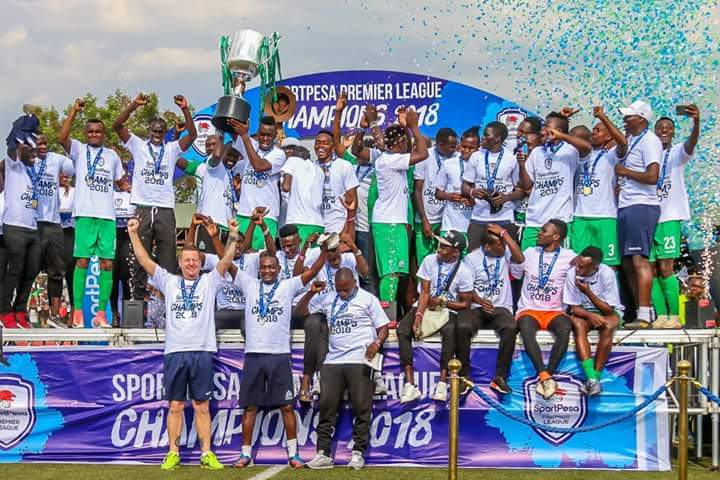
There is no debating what Gor Mahia has achieved between the touchlines. 21 league titles stand as a towering record in Kenyan football. 11 domestic cups(FA Cups), 6 Super Cups, 2 KPL Top 8 trophies, 3 CECAFA titles, and towering above all the 1987 African Cup Winners’ Cup crown. That continental triumph remains one of the proudest moments in Kenyan football history, a feat unmatched by any other Kenyan club in modern times. In total, 44 major trophies line the club’s cabinet ,a glittering testament to decades of competitiveness.
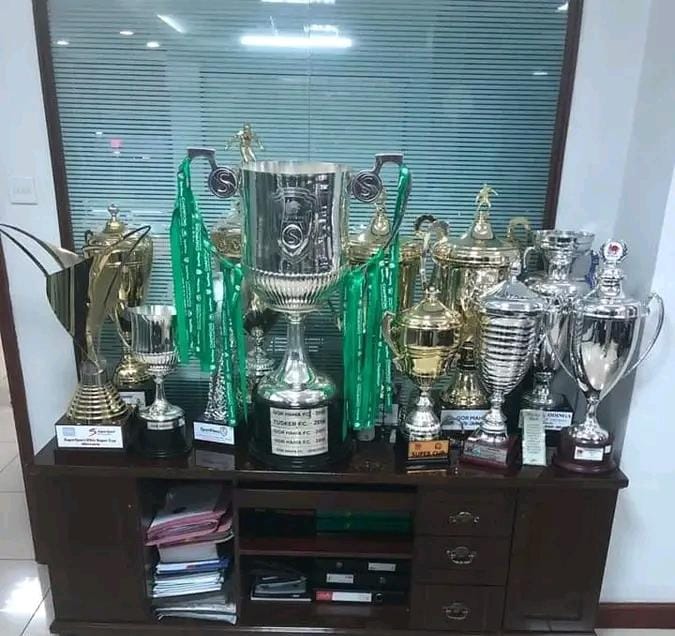
Even in recent years, the club has remained a force. Back to back league titles reaffirmed its authority before surrendering the crown last season to Kenya Police FC. Now perched back at the summit of the Kenyan Premier League table(now Sportpesa League), the record champions look poised to reclaim what they briefly lost. On the pitch, the hunger remains intact.
But football in the 21st century demands more than medals and memories. Across Africa, successful clubs have transformed into structured institutions ,brands with physical offices, museums, academies, and clearly defined governance frameworks. Clubs like Al Ahly SC in Egypt or Mamelodi Sundowns FC in South Africa have demonstrated that sustained success is rooted not just in talent, but in organization. They have invested in infrastructure, administrative systems, and long term planning that outlive individual leaders or playing squads.
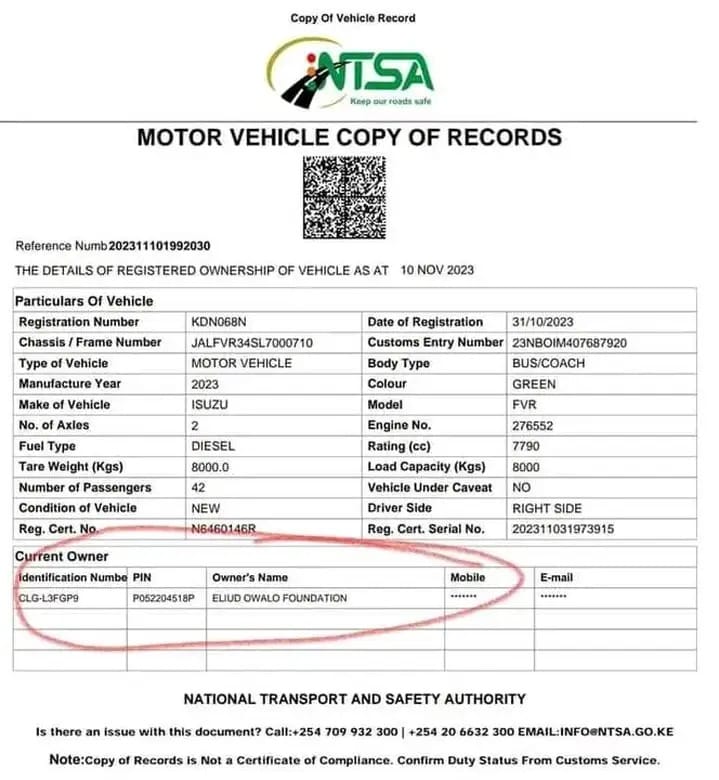
In contrast, Gor Mahia’s off field reality paints a troubling picture. For a club that has sponsorships running into hundreds of millions of shillings from Sportpesa to Azam, alongside gate collections and merchandise sales, the absence of a permanent, functional office remains difficult to comprehend. The club does not own property. Its bus is registered under a Senior club fan foundation rather than the club itself. Trophies are stored in a private law office belonging to the club chairman. These are arrangements that feel temporary for an institution that has existed for nearly 6 decades.
The issue is not about personalities; it is about permanence. Leadership comes and goes. Players move on. Coaches change. What should remain constant is the institution.
In 2019, members gathered at Jukwaa and passed a constitution intended to professionalize the club. It was hailed as a turning point ,a roadmap toward structured governance, membership clarity, and modern football management. Yet 7 years on, implementation has stalled. A constitution that is not operational becomes symbolic rather than transformative.
Football history is filled with cautionary tales of giants brought down not by lack of talent, but by administrative decay. Passion can fill stadiums, but structure sustains a club through transition. Success on the pitch attracts fans; governance keeps them invested. Stability is built in boardrooms as much as in training grounds.
Imagine a Gor Mahia museum , walls lined with framed photographs from 1968 to date, the story of legends told in curated exhibits, the 1987 continental trophy displayed under lights, children walking in with their parents to understand what the badge represents. Imagine a permanent office where members can access records, register formally, and feel ownership beyond matchday chants. Imagine a fully operational academy pipeline linked to a clear football philosophy.
These are not luxuries. They are necessities for a club of Gor Mahia’s stature.
58 years is a milestone worthy of celebration. It is proof of resilience, of community, of a fan base that has carried the club through economic turbulence and administrative storms. But anniversaries are also moments of reflection. They invite uncomfortable questions.
Has Gor Mahia grown, or has it merely endured? Has domestic dominance masked structural stagnation? Can the club afford to continue relying solely on historical prestige while the modern game evolves rapidly around it?
The green and white faithful have done their part , filling stadiums, purchasing merchandise, defending the badge in conversation and on social media. What they now seek is institutional maturity that matches the club’s footballing stature.
As Gor Mahia steps into its 59th year, the conversation must shift from only chasing titles to building foundations. The trophies tell a story of greatness. The next chapter must tell a story of structure.

Because true legacy is not just measured by what is won, but by what is built to last.