Africa’s impressive campaign at the 2026 FIFA World Cup gathered even more momentum on Matchday Three as Cape Verde and Egypt secured places in the Round of 32, joining Morocco, South Africa and Côte d’Ivoire in the knockout stages.
It was another memorable day for the continent, highlighted by Cape Verde’s remarkable fairytale run and Egypt’s composed display against Iran to finish top of Group G.
The Blue Sharks continued to defy expectations after battling to a tense 0-0 draw against Saudi Arabia at NRG Stadium. While the scoreline remained blank, the stakes could not have been higher, with qualification hanging in the balance throughout the contest.
Cape Verde enjoyed the better of the attacking opportunities, with Laros Duarte, João Paulo, Nuno da Costa and Garry Rodrigues all testing the Saudi defence. Goalkeeper Mohammed Al-Owais produced several important saves to deny the island nation what would have been a famous victory.
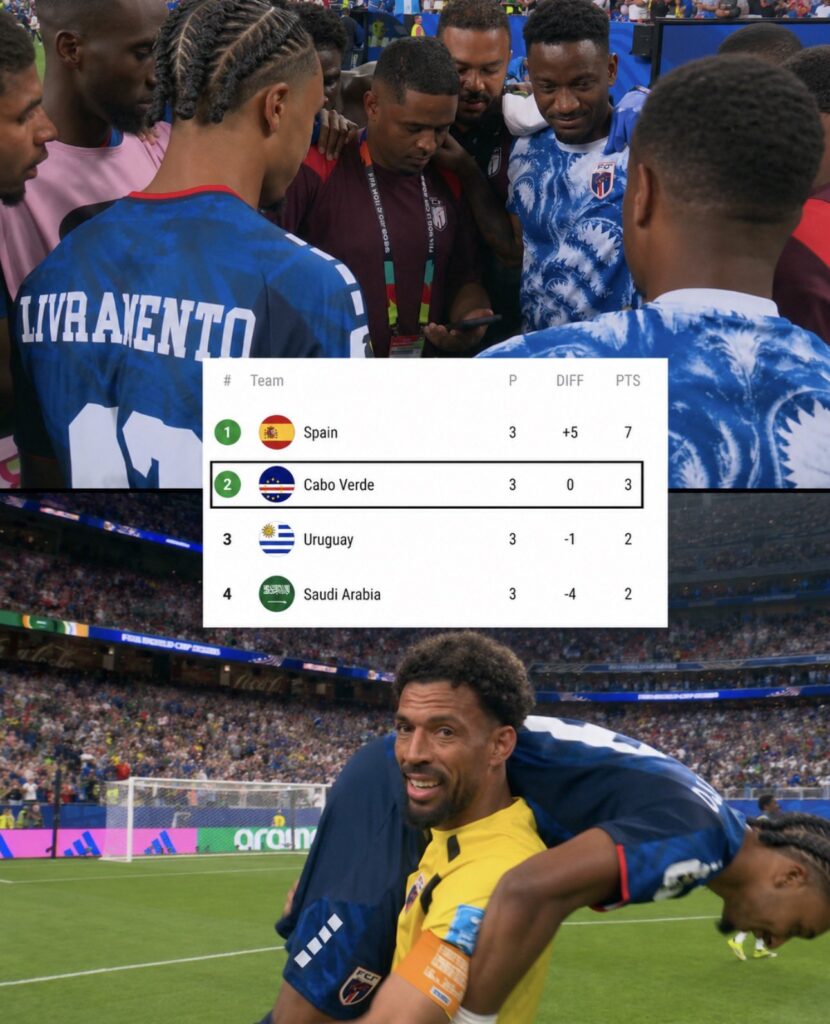
At the opposite end, veteran goalkeeper Vozinha once again proved why he remains one of Cape Verde’s most dependable figures, making crucial stops to frustrate Saudi Arabia whenever they threatened.
The tension only grew as news filtered through from the other Group H encounter, where Spain defeated Uruguay 1-0. That result meant Cape Verde simply had to avoid defeat to reach the knockout rounds.
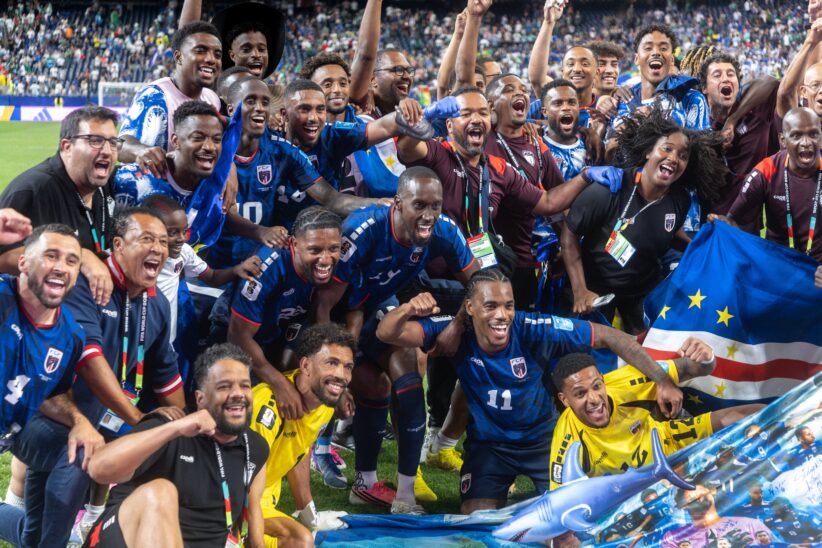
When the final whistle blew, jubilant celebrations erupted among the Blue Sharks players and supporters as Cape Verde sealed a historic first-ever qualification for the FIFA World Cup Round of 32, completing one of the tournament’s greatest underdog stories.
Egypt also booked their place in the knockout phase after earning a hard-fought 1-1 draw against Iran in Seattle.
Fresh from their historic 3-1 comeback victory over New Zealand that secured the nation’s first-ever FIFA World Cup win, the Pharaohs entered the decisive fixture knowing that a point would be enough to guarantee qualification.
They made a dream start inside four minutes when Saber pounced on a rebound after excellent link-up play between Mohamed Salah and Trézéguet to hand Egypt an early advantage.
Iran had a golden opportunity to equalise moments later after winning a penalty, but goalkeeper Mohamed Shobir produced a magnificent save to deny Mehdi Taremi from the spot and preserve Egypt’s lead.
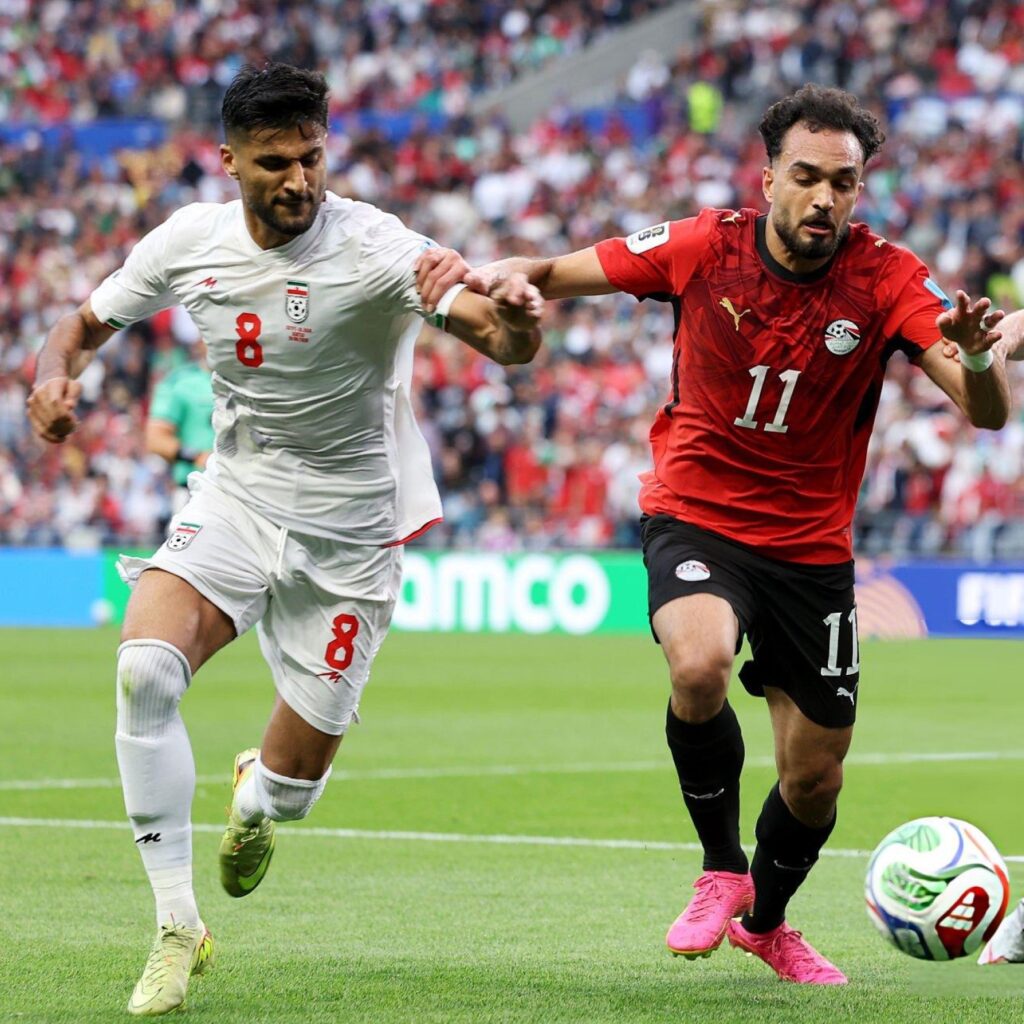
The relief was short-lived, however, as Ramin Rezaeian restored parity in the 13th minute to set up a fiercely contested battle for qualification.
Both teams continued to exchange attacks in an entertaining contest. Salah, Trézéguet and Omar Marmoush all came close for Egypt, while Iran relentlessly searched for the winning goal that would have dramatically altered the group’s final standings.
The biggest moment arrived deep into stoppage time when Iran thought they had completed an incredible comeback through Shoja Khalilzadeh. Their celebrations were cut short after a VAR review ruled the goal out for offside, allowing Egypt to breathe a huge sigh of relief.
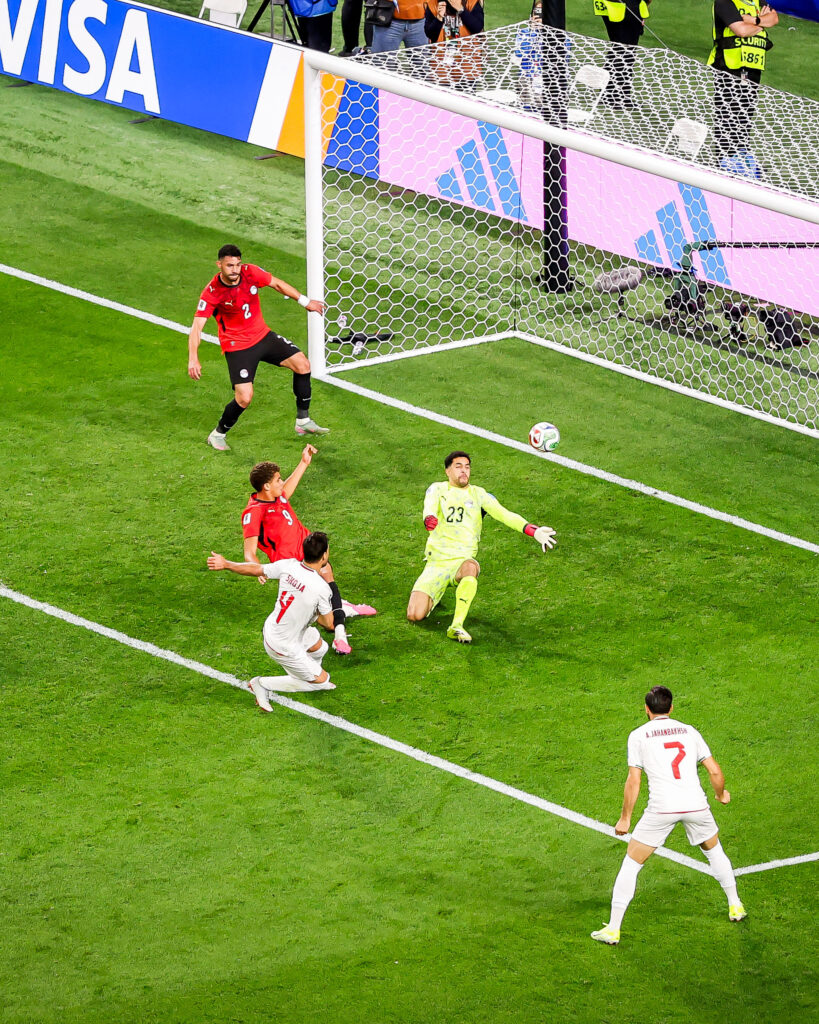
There was more late drama as Egypt were forced to finish the match with ten men after Fatouh suffered an injury when coach Hossam Hassan had already used all his substitutions. Despite the setback, the Pharaohs stood firm to secure the valuable point.
The result saw Egypt finish top of Group G with five points, continuing their remarkable resurgence after ending their decades-long wait for a World Cup victory earlier in the tournament.
With Morocco, South Africa, Côte d’Ivoire, Cape Verde and Egypt now safely through to the Round of 32, Africa has five representatives in the knockout stages and continues to make a powerful statement on football’s biggest stage. As the tournament enters the business end, the continent’s hopes of another historic World Cup run remain very much alive.