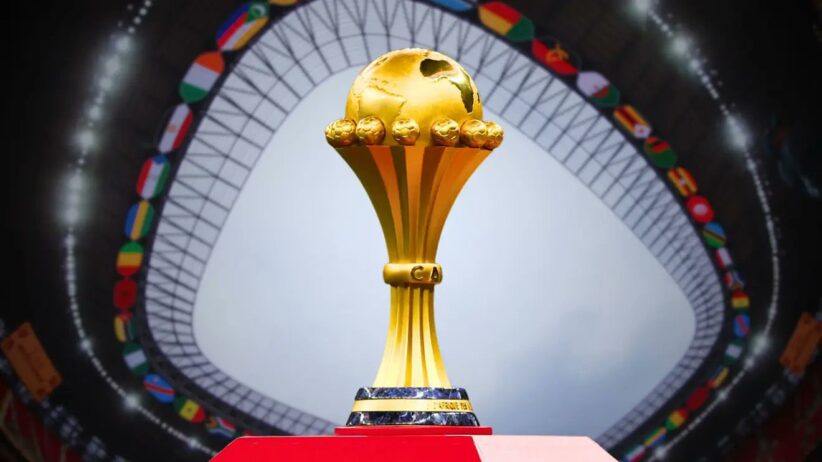
CAF’s decision to overturn the 2025 final and award Morocco the title was meant to bring closure. Instead, it has stirred a wider debate that now stretches beyond Senegal and Morocco, raising uncomfortable questions about how far such rulings can go.
At the heart of it all is a simple concern. If a result can be changed months later based on match conduct, does it open the door for past incidents to be revisited?
The comparison with the 2019 CAF Champions League final has quickly resurfaced. That chaotic night between Espérance de Tunis and Wydad Casablanca saw Wydad walk off the pitch after a controversial decision, refusing to return despite prolonged efforts to resume the match. CAF initially declared Espérance winners, then reversed course and called for a replay, even asking for the trophy back.
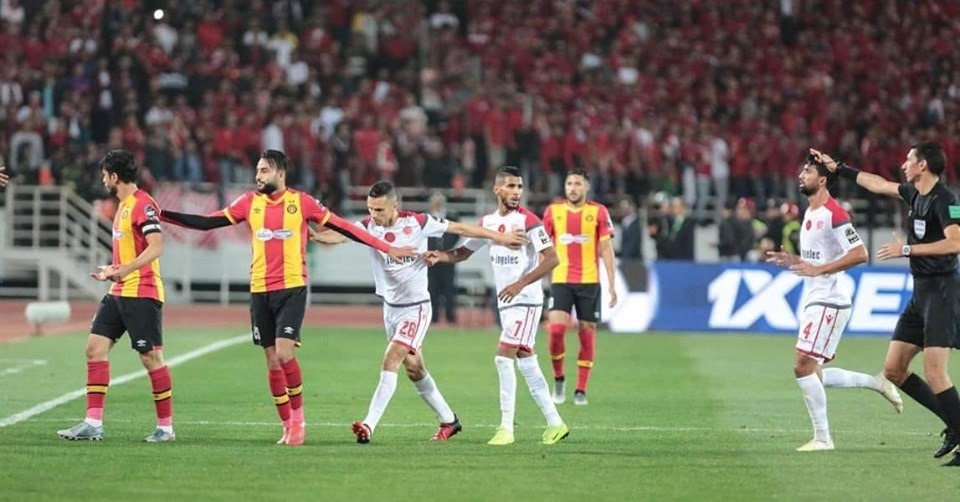
It took intervention from the Court of Arbitration for Sport to settle the matter, with Espérance ultimately reinstated as champions. That episode exposed how fragile decision-making can become once matches move from the pitch to the boardroom. Now, with Senegal preparing a similar appeal, the parallels are impossible to ignore.
But the current situation has gone even further, pulling historical debates back into the spotlight.
In recent days, sections of the Guinean media have revisited the 1976 tournament, questioning whether similar logic should apply to that outcome. That competition, won by the Morocco national football team, was decided through a round-robin format rather than a single final. In the decisive match, Guinea national football team needed a win, took the lead, but eventually settled for a draw that handed Morocco the title.
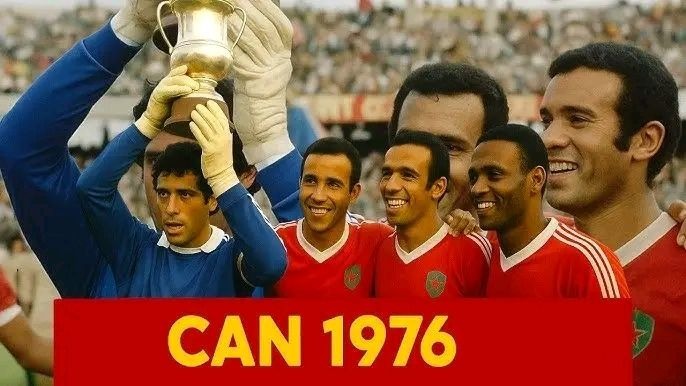
The point now being raised is not about the result itself, but an incident during that match. Moroccan players briefly left the pitch in protest before returning and continuing the game. At the time, it was treated as part of the flow of events, with no sanctions and no further review. Today, that moment is being looked at through a different lens.
The argument emerging in media discussions is that if modern rulings can punish teams for leaving the pitch or disrupting play, then similar incidents in the past could theoretically be judged the same way. It is not an official claim from the Guinean Football Federation, but it reflects a growing concern about where such precedents might lead.That is where the real issue lies for CAF.
Enforcing discipline is necessary, especially in high-stakes matches where emotions run high. But changing results after the fact introduces a level of uncertainty that football has traditionally tried to avoid. The expectation has always been that once a match is played and concluded, the result stands. Now, that certainty feels less secure.
With Senegal heading to CAS and debates already stretching back nearly fifty years, the ripple effect of this decision is becoming clear. What began as one controversial final is now shaping a broader conversation about consistency, fairness, and the limits of retrospective justice in football.
CAF’s ruling may have settled the 2025 title on paper, but in reality, it has opened a much bigger chapter.
And for the first time in a long while, African football is being forced to confront not just its present decisions, but its past ones too.