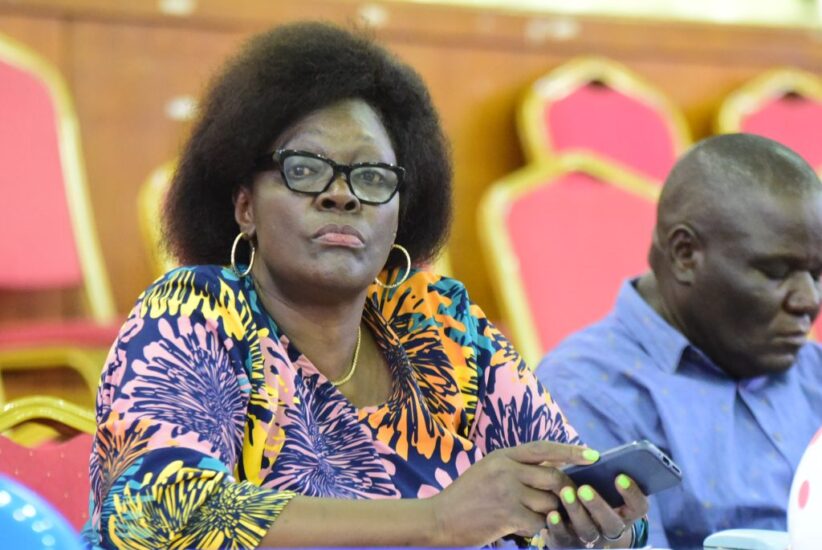
Kenya’s sports governance landscape is entering a new chapter following the retirement of Rose Wasike, the country’s first Sports Registrar, after 11 years at the centre of efforts to regulate clubs, federations and other sporting organisations.
Wasike left office at the end of August 2026, bringing to an end a tenure that began with the implementation of a new legal framework for sports and ended with one of the most closely watched governance disputes in Kenyan football involving Gor Mahia and its long-serving chairman, Ambrose Rachier.
Her departure marks the end of an era for an office that was itself created to change how sports organisations are registered and governed in Kenya.
The Office of the Sports Registrar officially came into operation on August 1, 2013, under Section 45 of the Sports Act No. 25 of 2013. The legislation transferred responsibility for registering sports federations, clubs and other sporting organisations from the general Registrar of Societies to a specialised sports regulator.
Wasike became the inaugural holder of the position and spent the next 11 years turning what was a new provision in the law into an operational institution.
Her mandate extended far beyond issuing registration certificates. The office was responsible for ensuring that sports organisations complied with the Sports Act and operated within the legal and governance requirements governing Kenyan sport.
One of the biggest challenges was bringing federations and clubs into the new registration framework. By 2016, only 16 sports organisations had completed the registration process, highlighting the difficulty of moving the sector from the old system into the framework established by the Sports Act.

Under Wasike, registration also became an important requirement for federations seeking government support. Her office insisted that sporting bodies maintain valid registration certificates before accessing state assistance through the Sports Fund for international engagements, introducing an additional layer of accountability in the use of public resources.
But enforcing the law also meant confronting powerful sports organisations.
Throughout her tenure, Wasike’s office became involved in disputes touching on leadership, elections, constitutional compliance and registration. Football Kenya Federation was among the organisations with which she frequently differed.
Her office was involved in the controversy surrounding the registration of five county football associations in 2020 and later challenged FKF officials over governance and term-limit issues in 2024, while pushing for the federation to conduct elections in accordance with the law.
The Registrar’s role in governance was not limited to football. Her office also played a role in electoral processes across different sporting disciplines, including the Kenya Tchoukball Federation, Kenya Triathlon Federation and Chess Kenya in 2026.
Her final major confrontation, however, came at Gor Mahia.
In June, Wasike directed the club to undertake fresh elections and declared chairman Ambrose Rachier was in office illegally and ineligible to contest in the election she directed to be conducted in 90 days, arguing that he had exhausted the statutory limit on his tenure under the Sports Act.
Gor Mahia Chairman Ambrose Rachier challenged the decision in court and obtained stay orders barring Wasike from implementing the directive until the case before Court challenging Registrar directive heard . The dispute remains unresolved, with the matter scheduled for hearing next week September 15.
That means Wasike has left office with her final major regulatory battle still pending in court. Her successor will inherit not only the responsibilities of the Sports Registrar but also a case that could have wider implications for the relationship between sports regulators and autonomous sporting organisations.
The Ministry of Sports has already begun the process of finding her replacement.