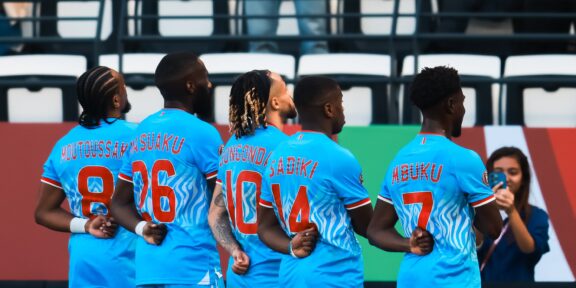
Football fans around the world were left asking one question as DR Congo marked its long-awaited return to the FIFA World Cup after 52 years: Where is Lumumba?
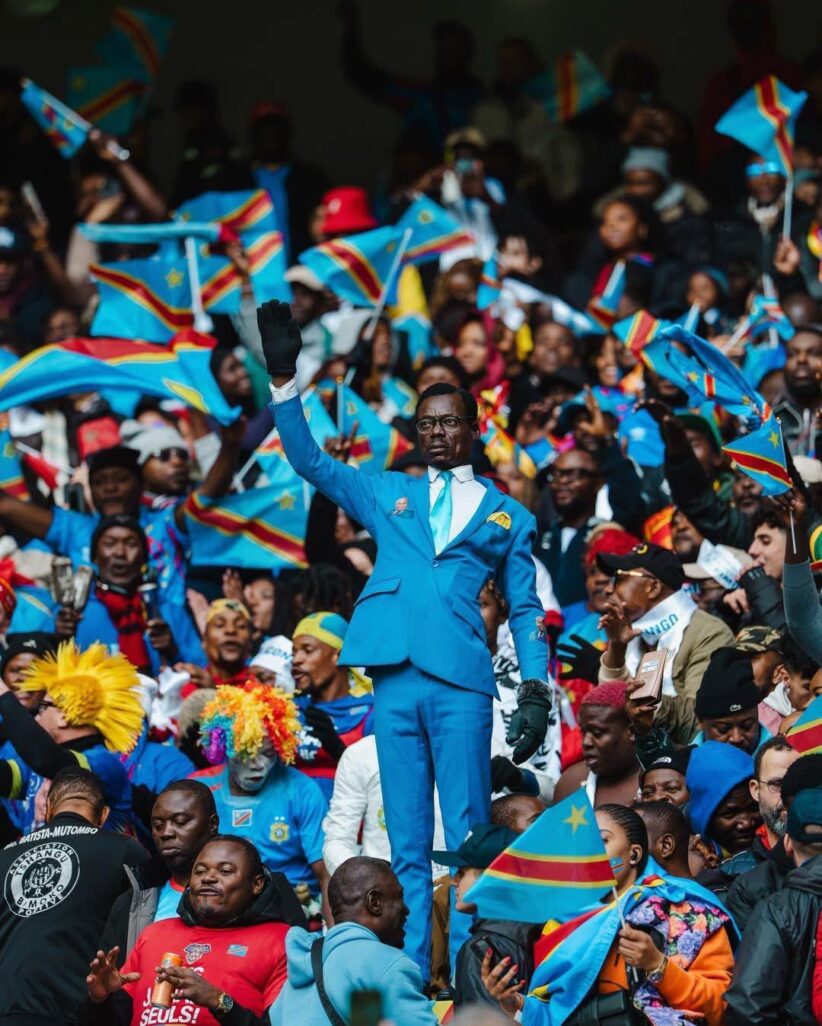
The absence of Michel Nkuku Mboladinga, popularly known as “Lumumba,” during DR Congo’s opening Group K clash against Portugal was impossible to ignore. The famous supporter has become one of African football’s most recognizable figures, transforming from a passionate fan into a global sensation whose presence is now almost as eagerly anticipated as the matches themselves.
For many football fans, Lumumba’s rise to fame began during AFCON 2025. As DR Congo impressed on the pitch, a motionless figure in the stands captured the attention of television cameras and social media users worldwide. Dressed in attire inspired by Congolese independence hero Patrice Lumumba, Mboladinga would stand completely still throughout matches, paying tribute to one of the country’s most revered historical figures.
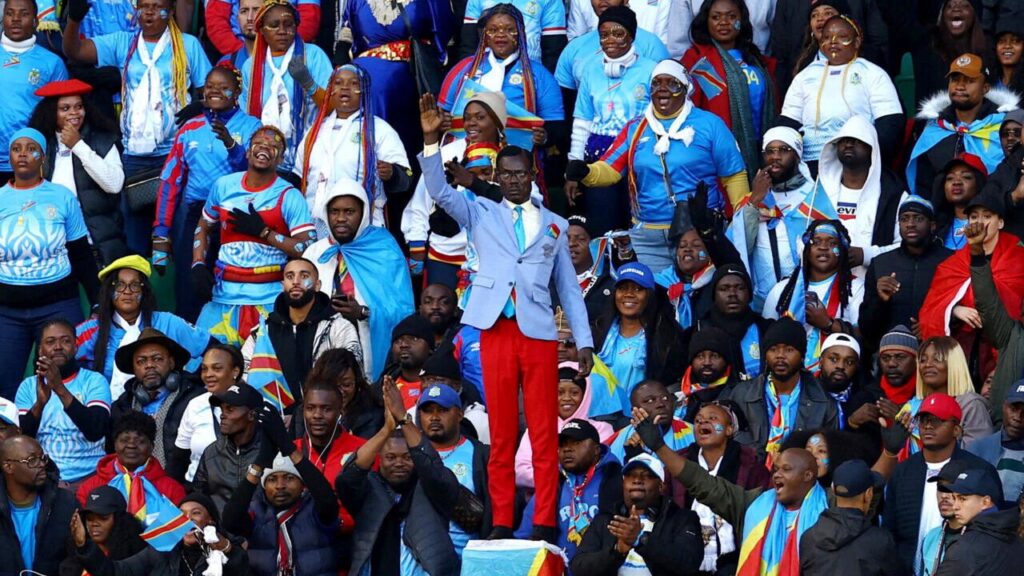
The gesture carries deep historical significance. Patrice Lumumba, the Democratic Republic of Congo’s first Prime Minister, was assassinated in 1961 during the turbulent years following the country’s independence from Belgium. Four years later, Mobutu Sese Seko seized power and established a ‘dictatorship’ that would shape the country’s history for decades. Mboladinga’s statue-like pose mirrors a famous monument of Lumumba and has come to symbolize remembrance, patriotism and national pride.
As DR Congo progressed through AFCON 2025, Lumumba’s popularity exploded. Videos of his unwavering stance went viral across multiple platforms, earning him admirers far beyond the borders of his homeland. He became a symbol of the Leopards’ passionate support and helped attract a growing international audience to Congolese football.
His fame only grew after DR Congo secured qualification for the 2026 FIFA World Cup, their first appearance at the tournament since 1974 when the country competed under the name Zaire. During qualification celebrations, Lumumba was celebrated alongside players and supporters as one of the faces of the historic achievement. His presence became so synonymous with the national team that many expected him to be in the stands when the Leopards faced Portugal in their opening match.
Instead, supporters were left wondering why one of the tournament’s most recognizable fans was missing.
According to reports, Lumumba was unable to travel to North America in time due to delays involving travel documentation and visa clearance procedures. He reportedly watched the match from Paris while awaiting final authorization to continue his journey. The situation was further complicated by enhanced immigration and health checks affecting travelers from DR Congo following an Ebola outbreak in parts of the country before the tournament, creating additional administrative hurdles that delayed his arrival.
Fortunately for Congolese supporters, the setback appears to be temporary. Following intervention from government officials, including support from President Félix Tshisekedi, Lumumba’s travel arrangements were eventually cleared and he is expected to join the Congolese delegation later in the competition.
Yet even in his absence, his influence was still felt. During the 1-1 draw against Portugal, a supporter dressed in the Leopards’ colours briefly recreated the famous statue-like pose that has become synonymous with Congolese football support. While the tribute offered fans a glimpse of the iconic gesture, it also served as a reminder that the world is still waiting for the arrival of the man who perfected it.
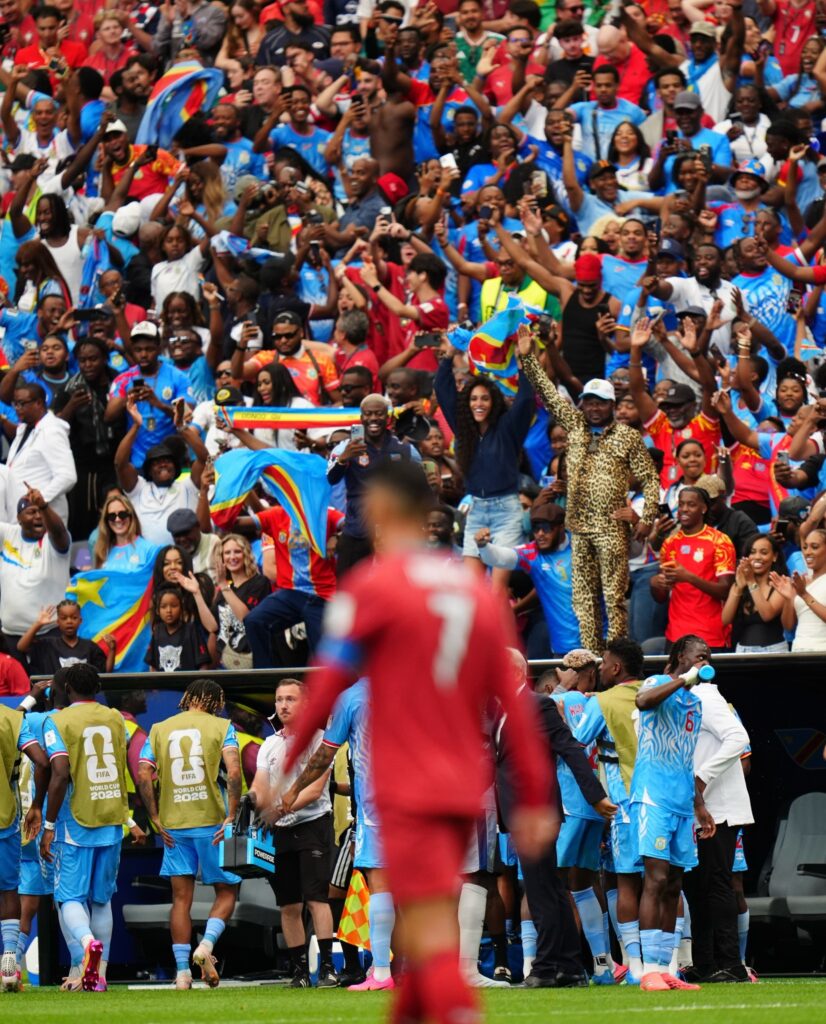
For many supporters, only Michel Nkuku Mboladinga can truly embody the spirit and symbolism behind the now-famous “Lumumba stance.” As DR Congo continues its historic World Cup campaign, fans across the globe will be eagerly awaiting the return of the superfan whose unwavering tribute has become one of the most recognizable symbols of Congolese football and a defining image of the Leopards’ journey back to football’s biggest stage.