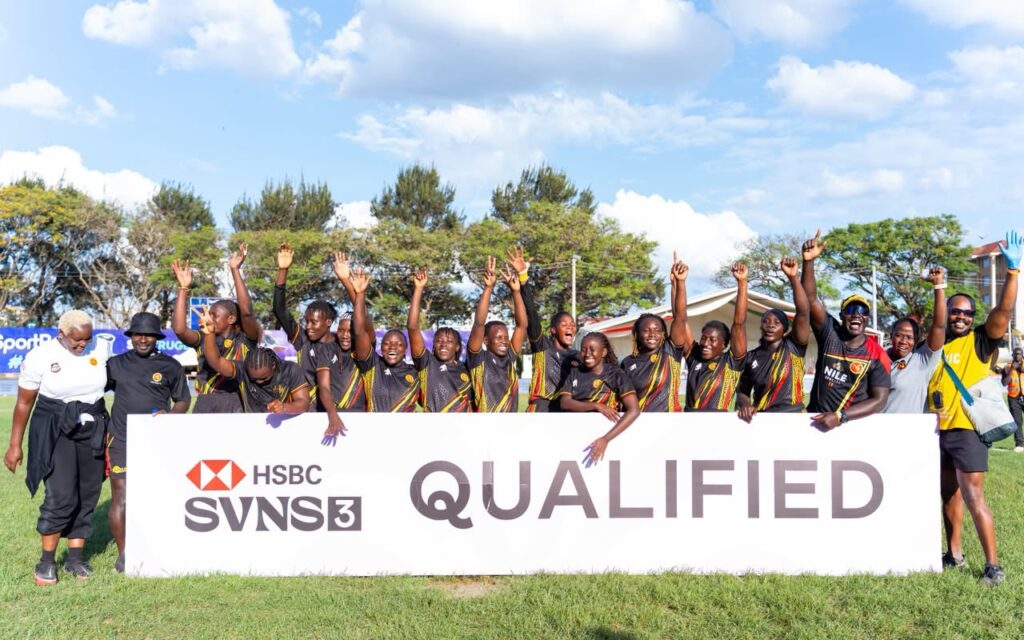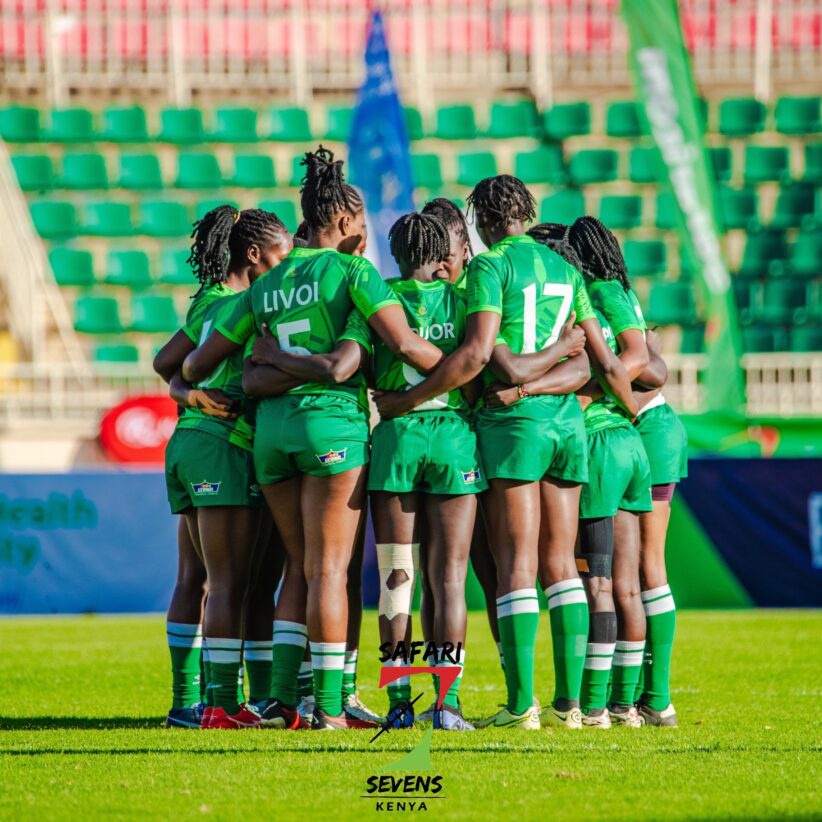
Kenya Lionesses’ hopes of securing a place in the 2027 HSBC SVNS 3 campaign suffered a painful collapse at the 2026 Africa Women’s Sevens after neighbours Uganda Lady Cranes produced a dramatic late comeback to eliminate the hosts in the semi-finals at the RFUEA Grounds.
Despite recovering from a difficult start to take control of the contest, the Lionesses eventually fell 19–14, with a last-gasp try from Peace Lekuru breaking Kenyan hearts and sending Uganda into the final against Tunisia. Kenya would later settle for third place in the continental competition, a podium finish that offered little consolation after a tournament that carried much bigger ambitions.
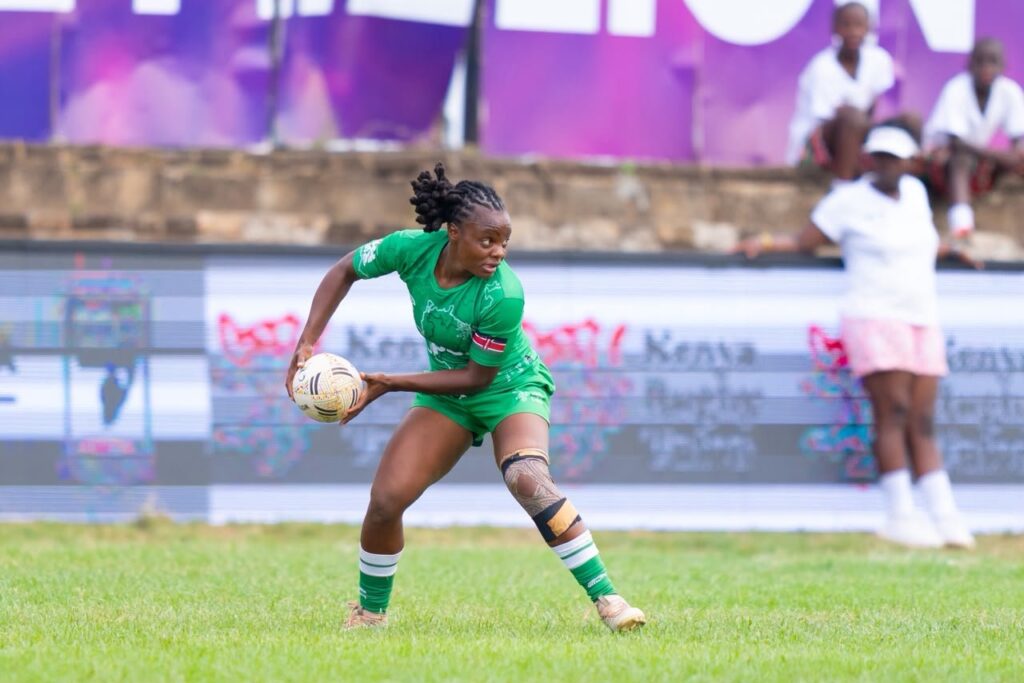
The defeat was particularly costly because the tournament presented Kenya with an opportunity to return to the global HSBC SVNS pathway. Qualification would have secured the Lionesses a place in HSBC SVNS 3, a trip to Dubai later this month and performance-based contracts from the Kenya Rugby Union (KRU). Instead, the team missed out on all three rewards, leaving the players to reflect on a campaign that promised much but ended in disappointment.
Uganda started the semi-final with greater urgency, as Tina Okello opened the scoring before adding the conversion to give the visitors a 7–0 advantage. The Lady Cranes continued to exploit Kenya’s defensive weaknesses, with Lekuru crossing for another try to stretch the lead and put the hosts under considerable pressure.
However, the Lionesses gradually found their rhythm, with Freshia Oduor providing the breakthrough after penetrating Uganda’s defensive line. The successful conversion reduced the deficit and revived Kenya’s hopes of mounting a comeback.
Kenya carried that momentum into the second half, producing a well-worked attacking move from a scrum. Sinaida Mokaya released Janet Okello with a timely pass, allowing her to cross the try line. The successful conversion put the Lionesses ahead 14–12, leaving them within touching distance of the final.
With the hooter having sounded, Kenya appeared to have done enough to protect their slender advantage. However, Uganda refused to surrender, applying sustained pressure and winning crucial penalties in the closing moments. Lekuru capitalised on the opportunity, quickly tapping from a penalty before powering through the Kenyan defence. She then converted her own try to complete a remarkable turnaround and seal Uganda’s 19–14 victory.
The result carried additional significance for the Lady Cranes, who had struggled to overcome Kenya in previous encounters. Their last victory over the Lionesses had come in April 2022, making the semi-final triumph an important psychological breakthrough for the Ugandan side.
Head coach Charles Onen admitted that defeating Kenya had not been an expected outcome, considering Uganda’s previous struggles against their neighbours. However, he described the victory as a proud moment for the players, the technical bench and the country.
“Honestly, it feels good. We’ve always fallen short, even when we have been the better side. We have looked at the statistics, particularly possession, and identified many things we have been doing right. Unfortunately, things would turn against us and we would lose by narrow margins. So this is a good feeling for the team, myself and the country,” Onen said.
The Ugandan coach also reflected on their disappointment at the Safari Sevens final four weeks earlier, where he felt his players had allowed the pressure of the home crowd to affect their performance.
He explained that the experience had strengthened their determination to approach the Kenya encounter differently, insisting that Uganda had long been Kenya’s closest challengers in the region and needed to turn competitive performances into victories.
The semi-final victory therefore represented more than qualification for the final and chance to represent the region in HSBC 7s 3; it was an opportunity for the Lady Cranes to overcome a psychological barrier against a familiar rival.