
East Africa’s long-awaited dream is now officially in motion after CAF confirmed that the 2027 Africa Cup of Nations will be staged across Kenya, Uganda, and Tanzania, sealing the Pamoja Bid’s acceptance and ushering the region into a historic new chapter. For the first time, three neighbouring nations will jointly host the continent’s premier football competition, a decision that instantly guarantees their automatic qualification and shifts attention to the remaining 21 places that teams across Africa will battle for.

CAF has set December 19, 2025, as the date for the draw in Rabat, Morocco, where the entire qualification picture will be unveiled. A total of 13 groups will be formed, and the stakes will be ruthless. Each group winner will sail directly to the tournament, joined by the three best runners-up. The rest of the runners-up will have to endure one more fight — a special playoff round scheduled for November 2026, designed to determine the final tickets to East Africa.
The qualifiers themselves will be spread across three action-heavy international windows in 2026 — March, September, and October — a rhythm that promises drama from start to finish. For many nations, this will be the most unpredictable qualification cycle in years. Traditional giants will chase stability, emerging nations will sense opportunity, and the region’s hosting trio will be watching closely from the sidelines as their automatic slots give them a rare chance to focus on preparations rather than pressure.
CAF has also confirmed that the 2027 edition of AFCON will run from June 19 to July 18, 2027 — a mid-year schedule designed to reduce clashes with domestic leagues and offer players more favourable tournament conditions.
With the competitive roadmap now clear, attention shifts to the massive infrastructural transformation across East Africa. Ground is already shifting in all three nations as new stadiums rise and existing ones undergo major upgrades to meet CAF’s international hosting standards. These stadiums will not only shape the AFCON experience but are set to redefine football culture in the region long after the trophy is lifted.
In Tanzania, the Arusha Stadium project continues to gather momentum. Designed as a 30,000-seat multi-purpose arena, it is expected to anchor the northern zone of the tournament and spark economic and sporting activity around Arusha and the wider Kilimanjaro region.
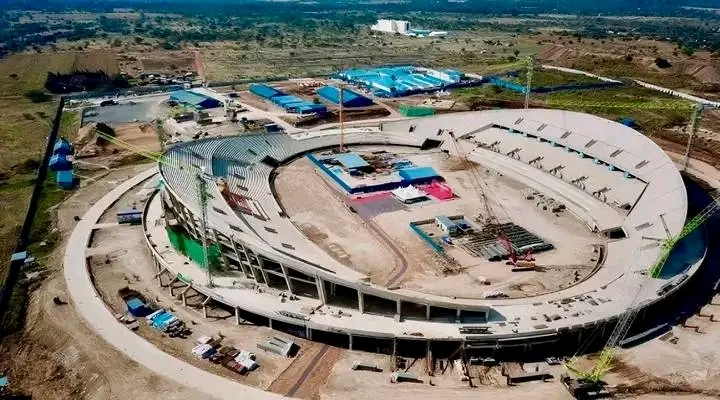
Kenya’s headline project, the 60,000-seat Talanta Stadium in Nairobi, has reached 66% completion according to the government. It is envisioned as a landmark venue capable of hosting major regional and international sporting events beyond 2027. When finished, it will stand as one of the largest and most modern stadiums in Sub-Saharan Africa.
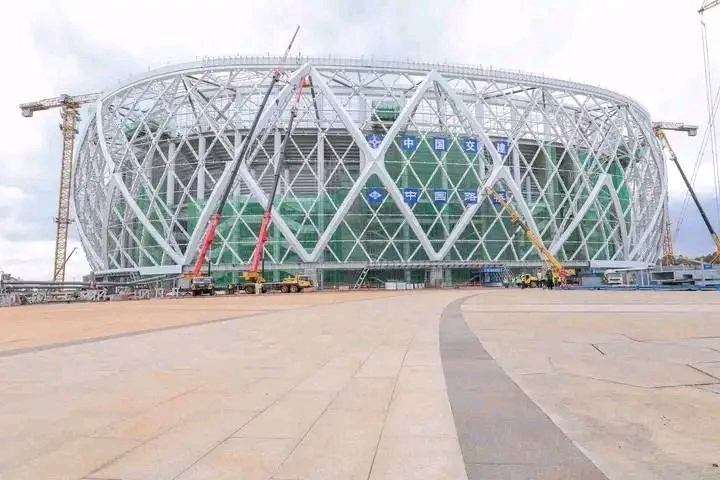
Uganda has taken a huge step ahead of schedule with Hoima City Stadium, which has already been completed in preparation for the joint hosting duties. Its early completion signals Uganda’s readiness, as the country positions itself to deliver world-class matchday experiences while spreading economic impact beyond Kampala to the Albertine region.
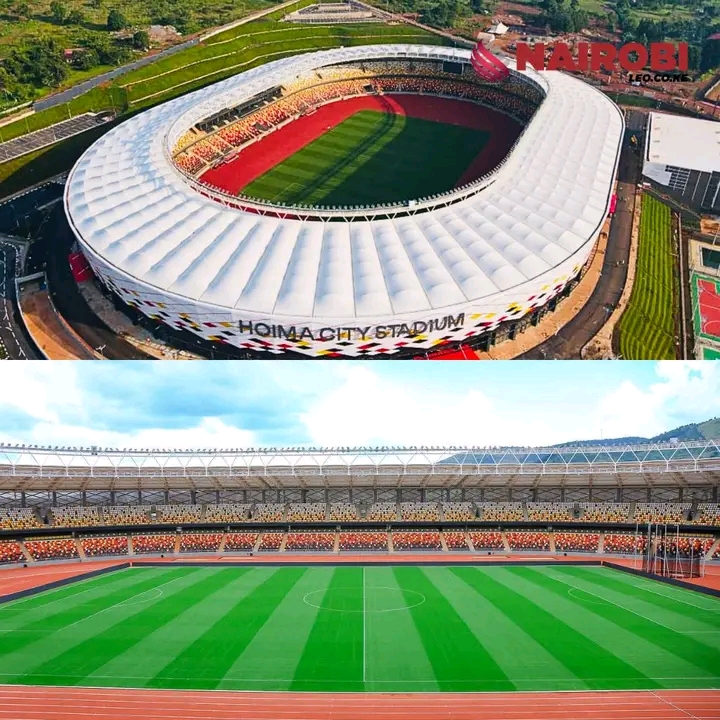
The combined effect of these projects is unprecedented. For the first time, the region is aligning infrastructure, logistics, and long-term football development behind one shared continental mission. The arrival of AFCON is already driving investment, accelerating construction timelines, and igniting national pride across the three nations.
As the countdown begins, the road to East Africa is officially mapped out: thirteen groups, sixteen qualification slots, three guaranteed hosts, fierce playoffs, and a tournament window set for June–July 2027. With CAF’s confirmation in place, the continent now marches toward a landmark event that will redefine East Africa’s place in African football.